Revealing the hidden

deer tracks in snow

One thing I love about snow is the way it reveals all sorts of hidden activities. We haven’t seen any deer on our land for quite a long time, but after the snow storms of the last weeks, we found their tracks making a path through the yard. The deer have been quietly passing through in the dark. They have come to drink the water that we keep thawed for the birds, and come to eat the sunflower seeds scattered near the bird feeder. They have nibbled the yew bushes in front of our windows.

There is so much that is hidden that is only revealed through storms. There is so much that we cannot see, and may never know. In the face of all that is coming undone in our country, in the face of all that is being destroyed, this gives me a kind of hope. Not optimism or naivety. I know that there is a coup happening right now against the ideals of democracy we have cherished, ideals we have tried to expand and perfect. Human dignity, diversity, equity, inclusion. Compassion for the vulnerable. I feel anxiety and rage in the face of the dangers that hang over us.

But as Rebecca Solnit says, “Hope locates itself in the premises that we don’t know what will happen and that in the spaciousness of uncertainty is room to act.” The deer tracks remind me that, in truth, we don’t even know what is happening right now, right outside our windows in the dark. We don’t know what may be happening that will change the trajectory of the future.

The deer tracks remind me that we are not alone in our yard, our home is the home of many other beings, those we can see, and those who are invisible to us. And just so, we are not alone in our struggles. In ways that we cannot begin to understand, we are all connected. That interconnection means that even our small actions of love and kindness may have beautiful consequences, and there are others unknown to us whose actions may bring liberation to all. May it be so!
Bearing Witness

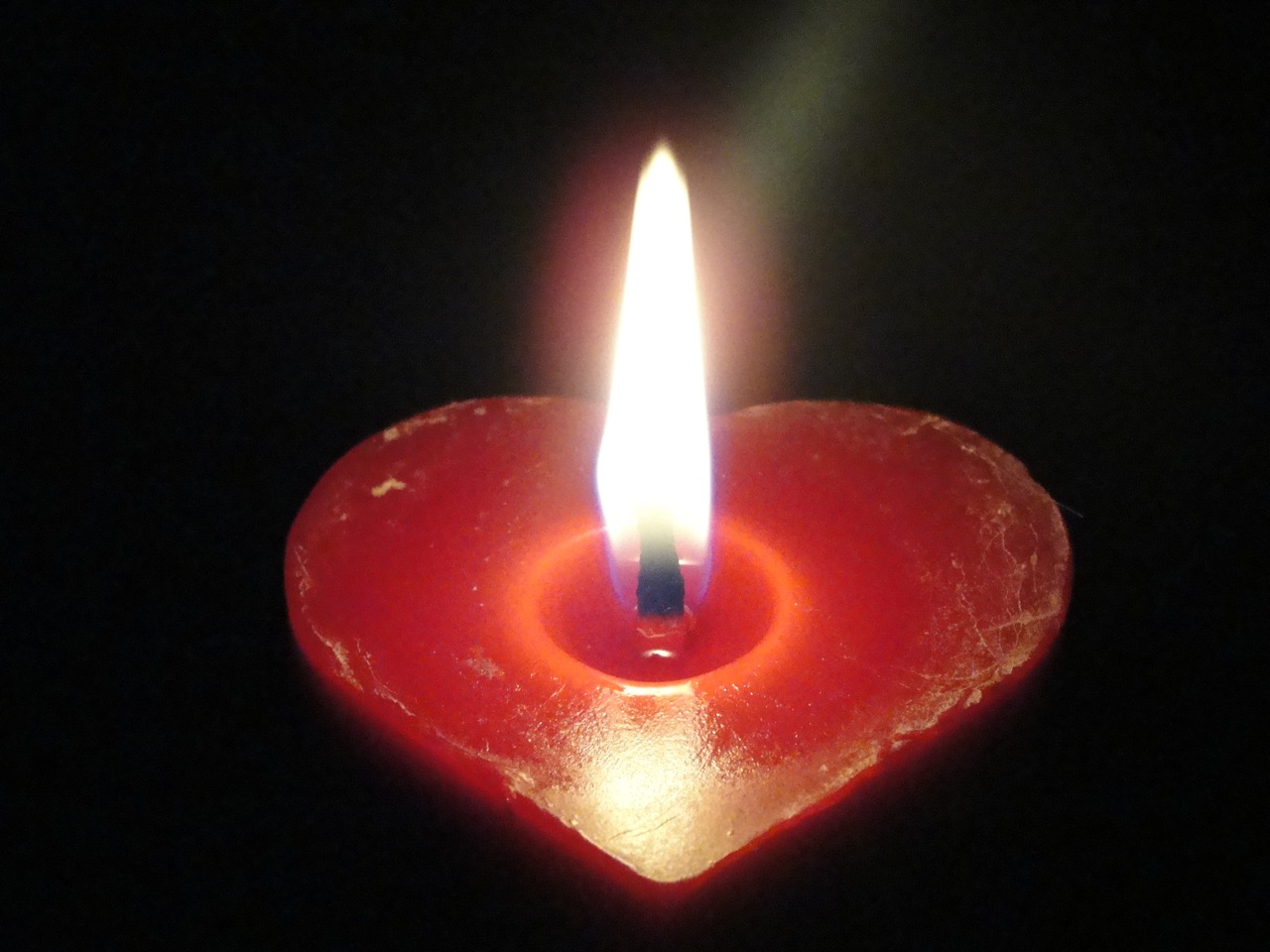
Heart Candle Flame DSC01573

As most people know by now, on May 25th, George Floyd, a 46-year-old African-American man, was killed by a white police officer, Derek Chauvin, who pressed his knee into Floyd’s neck for 8 minutes and 46 seconds, despite him begging for help, and saying “I can’t breathe.”  It was one more brutal death in a seemingly never-ending series of deaths inflicted on African-American men and women by police brutality enforcing systemic racism and white supremacy in the United States.

Because of the courageous video taken by 17-year-old Darnella Frazier, people all over the world actually witnessed the horror of this murder. Thousands of people, in every state, and all around the world have taken to the streets to protest, day after day, night after night, to demand a change. The four officers involved at the scene have been fired from the force and charged with his murder, or the aiding and abetting of his murder. A first step.

It has been difficult for me to write during this. I asked myself–was there anything I could add to the condemnations of white supremacy that have already been said by so many others? And as a white woman–should I be speaking at all? This is a time to center the voices of people of color. But also, how can any of us remain silent? On a very personal level, initially I also felt very discouraged. I have been an activist for my entire adult life. I am not taking credit for anything, this has been my calling in the world. But these days, I have wondered, did anything change? How could we have struggled so long with so little progress?

Bernice Johnson Reagon wrote a song, released in 1988, about activist Ella Baker, using her words to express deep truths about the long journey of activism for racial justice. These excerpts especially move me:

We who believe in freedom cannot rest until it comes…

Until the killing of Black men, Black mother’s sons/ Is as important as the killing of white men, white mother’s sons.

To me young people come first, they have the courage where we fail/ and if I can but shed some light as they carry us through the gale.

The older I get the better I know that the secret of my going on/ Is when the reins are in the hands of the young who dare to run against the storm.

These days, the irony of Baker’s words–we cannot rest–is not lost on me as I deal with a chronic illness that demands that I rest every day, that robs me of my capacity to show up to protest in the streets, or do very much of any other kind of activism. But her words also helped me to articulate one thing I could do. On Wednesday, I lit a red candle at 4 p.m., as a protest at Portland (Maine) City Hall was beginning, led by young activists of color. I offered my prayers and watched a live video feed for the two hour protest, and bore witness to the young people with such courage who dare to run against the storm. Maybe today, all I can do is bear witness in support of these young people, and in that way, “to be one in the number, as we stand against tyranny.”

As the protests began to multiply, in big cities and small towns, in countries all around the world, I felt a glimmer of hope. Sometimes, something breaks open.  Rebecca Solnit, author of Hope in the Dark: Untold Histories, Wild Possibilities, reminds us that the future is unknowable – and that’s a good thing. Why? Because it creates space for creative intervention. The lessons of history teach us that change happens in unexpected ways, and often in seemingly sudden, non-linear ways.

May the words of George Floyd’s six-year-old daughter Gigi prove to be prophetic:  “My daddy changed the world.” #blacklivesmatter