Inside the pain

There may be times when we are powerless to prevent injustice but there must never be a time when we fail to protest. Elie Wiesel

The last few weeks, I have been dealing with severe pain in my hip, such that it makes it difficult for me to walk or sleep. I am grateful that I now have physical therapy which is slowly helping. But as I was lying on the table getting treatment today, I kept thinking about people in Gaza, right now, who also were dealing with hip pain, or chronic illness, or who were giving birth–any of the myriad kinds of human conditions that render us deeply vulnerable, even in the best of situations.

And instead of finding help or treatment, those human beings are being forced out of their homes, bombed, shot, starved. How would I evacuate when I can barely walk? How would I sleep on the ground with no pillows to ease the pain? How would I manage my illness with no medicines? How would I give birth with no clean water? It is not as if those human frailties cease to exist because of war. Underneath the other horrors, the deaths, the woundings, the destruction of homes, schools, libraries, hospitals, there is each human story.

I find in my body a small metaphor for this hurting world. I find in my body a deep scream of pain for this hurting world. They say the hips are the foundation for the balance of the body. And the earth is out of balance in so many ways. We see it in the chaotic weather, we see it in wildfires, we see it in an ocean warming faster than expected, we see it in cruelty toward children who are “different,” we see it in pandemics, we see it in politics of fear and hate. Who knows what the future will bring, with such a painful present.

I found encouragement in these words of Elie Wiesel, who survived the holocaust and wrestled with its meanings and repercussions for the rest of his life:

“There may be times when we are powerless to prevent injustice, but there must never be a time when we fail to protest.”

https://www.nobelprize.org/prizes/peace/1986/wiesel/lecture/

I found this image and quote posted by a friend on Facebook–the image is the Ukraine sunflower, and Ukraine is another country full of people in pain that linger in my own heart. But the flower feels full of beauty and hope. Wiesel goes on to say:

“The Talmud tells us that by saving a single human being, man can save the world. We may be powerless to open all the jails and free all the prisoners, but by declaring our solidarity with one prisoner, we indict all jailers. None of us is in a position to eliminate war, but it is our obligation to denounce it and expose it in all its hideousness. War leaves no victors, only victims.”

1986 Nobel lecture

Happy Solstice!

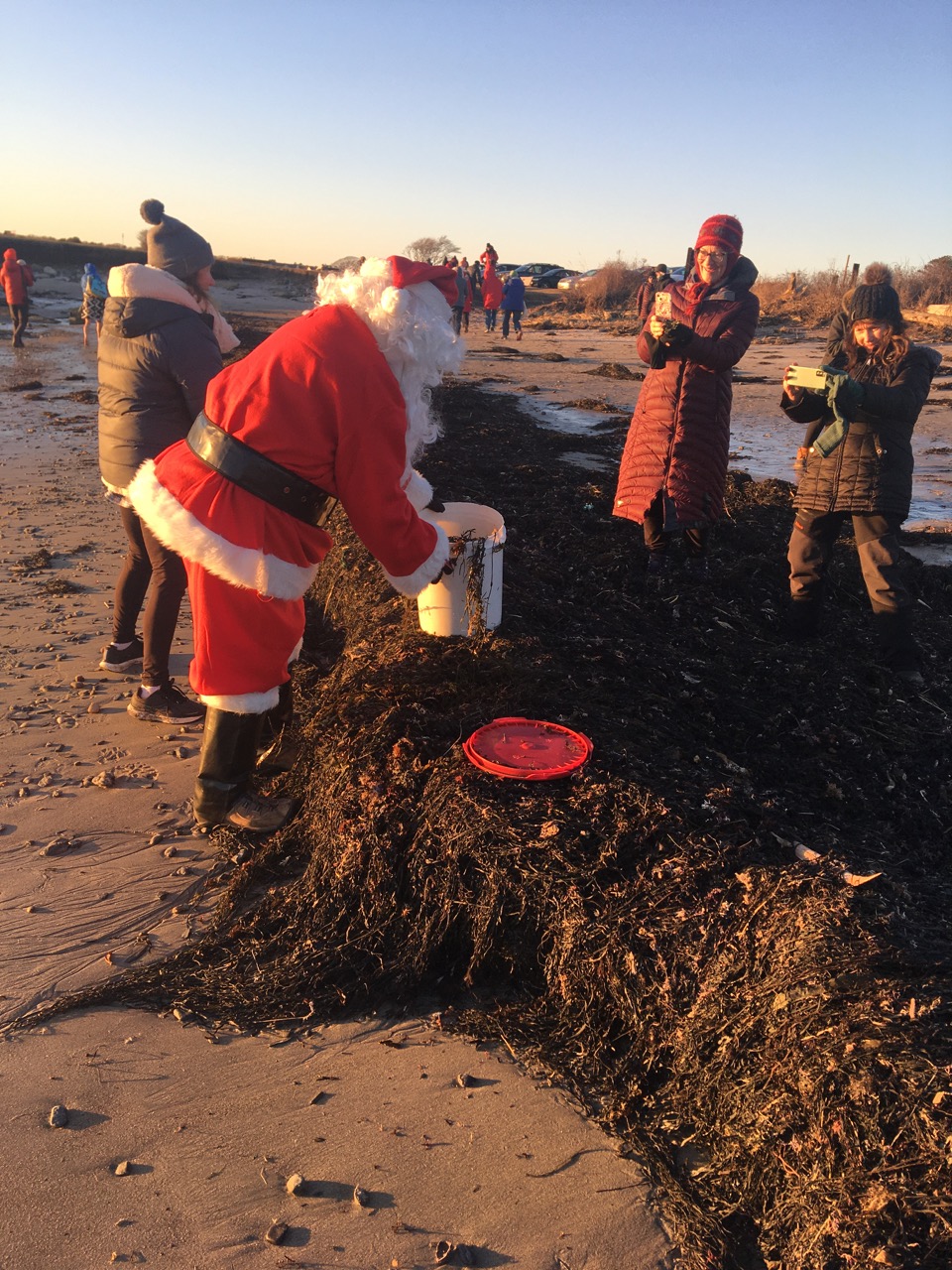
Santa at Kettle Cove Beach.

For a Solstice treat, Margy and I went to Kettle Cove beach a little before sunset. Santa was gathering seaweed for the garden. Now you might not think Santa would be out on Solstice, but the ancient European pagans laid claim to this gentle gift-giver from the north much before St. Nicholas. In fact, in the old old days, they say Santa was female. I think they might be right.

A group of hikers passed by and seaweed-gathering Santa was a big hit, with many photos taken. Job done, it was time for a little rest. Thankfully, there was a handy log nearby to sit on.

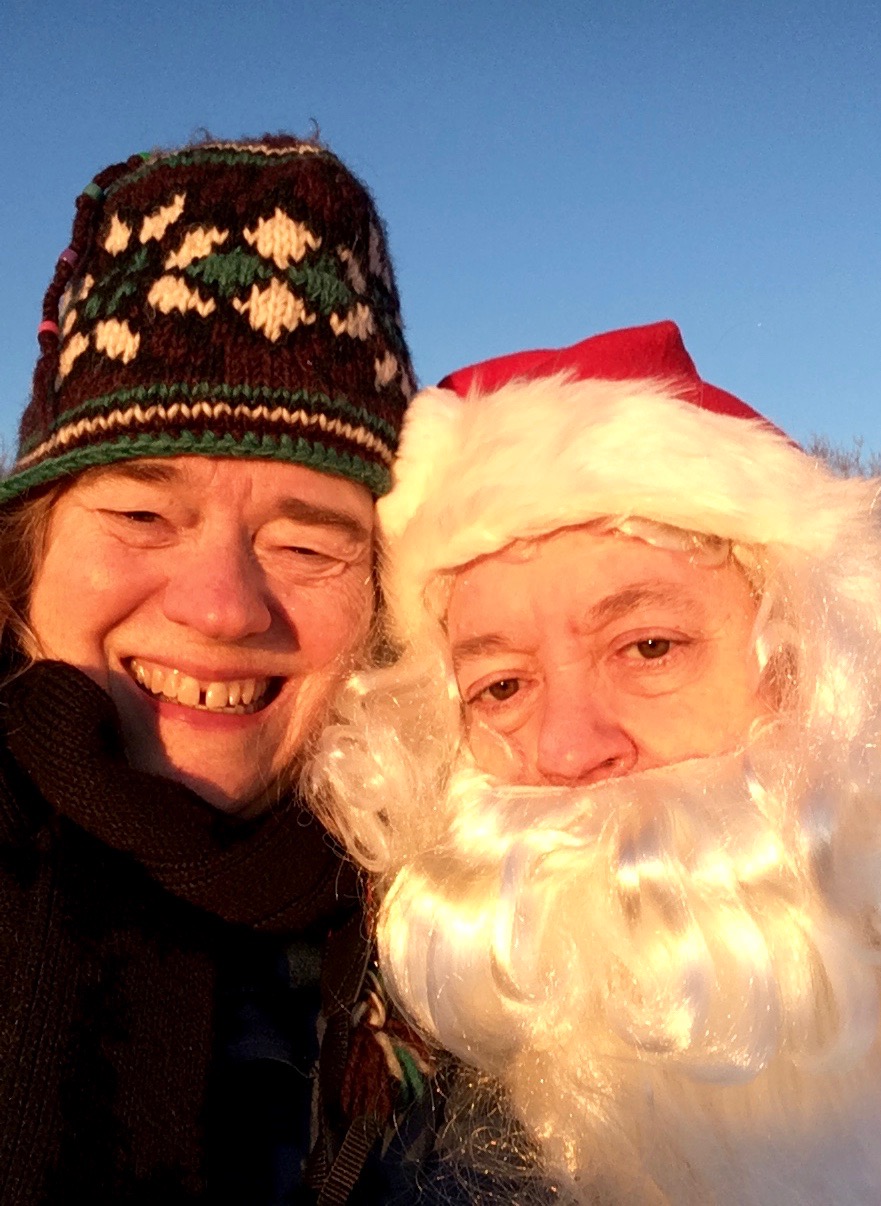
Oh look, who is that with Santa? It’s me! I was also sitting on that log. It’s a Santa selfie. The setting sun was bright upon our faces and we gave thanks for all the sun brings to us.

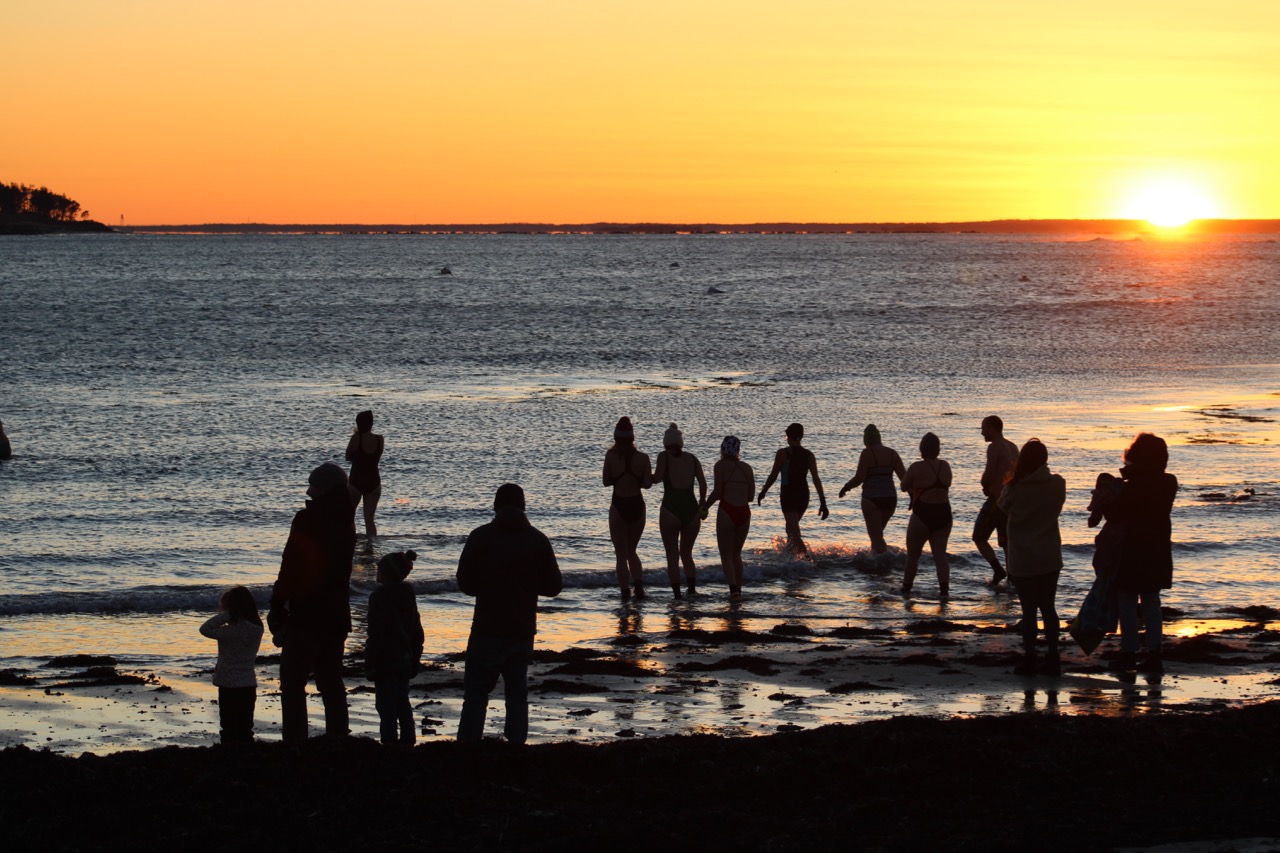
And then we had another surprise treat. The local mermaids came to the beach for a Solstice swim in the cold ocean. We did not join them but we had fun watching them brave the waves.

May all the blessings of this Solstice day be upon you! May the darkness be fruitful, and peace return with the lengthening days, peace upon Gaza, upon Ukraine, upon Sudan, and all the hidden sorrowful places.

Humbling

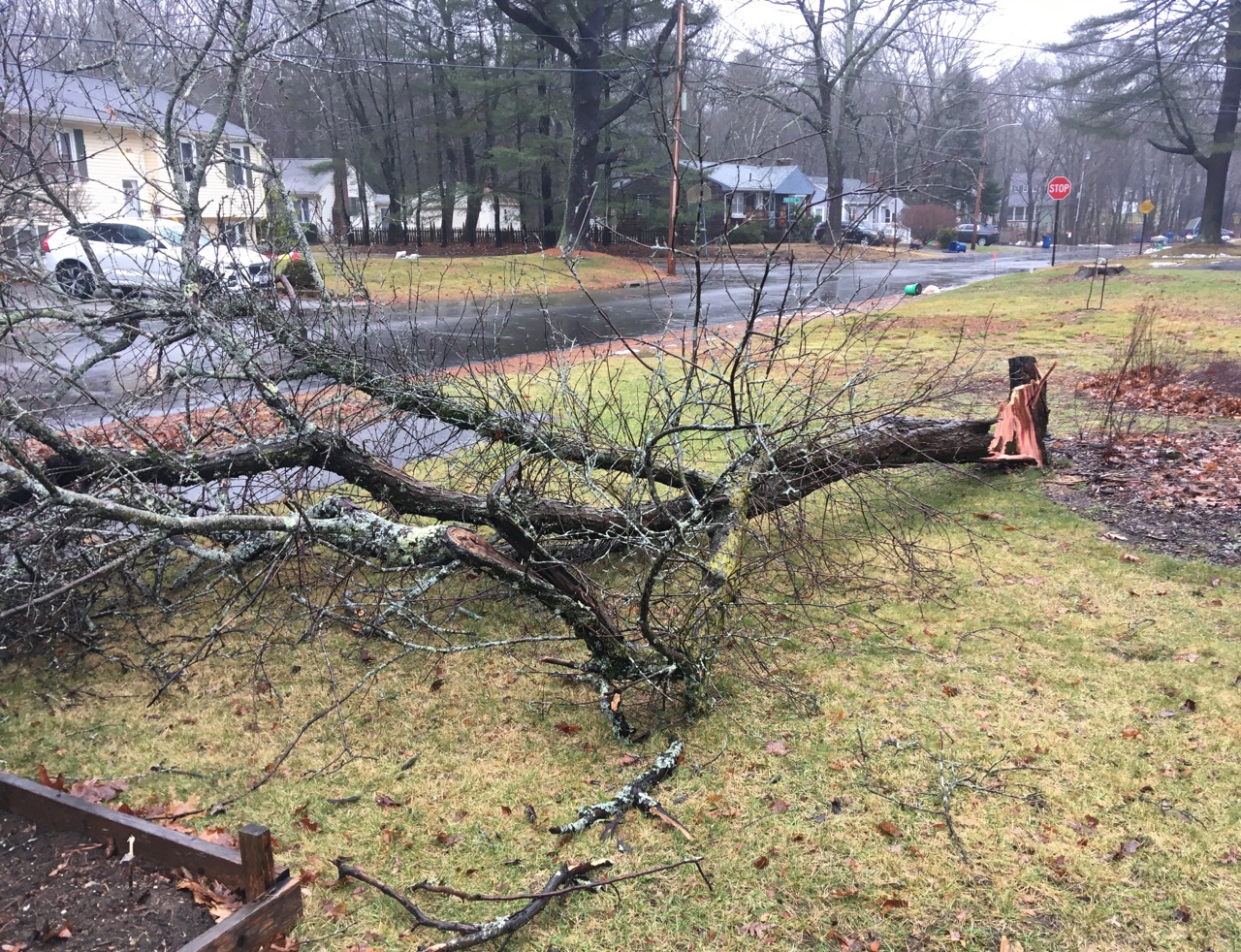
Crabapple tree broken at trunk and lying on the faded green of winter lawn, with street behind, houses visible on other side.
Fallen crabapple tree

On December 23rd, a severe rain and wind storm passed through Maine, after also creating havoc with storms and snow in other states. In the early afternoon, I was sitting in the living room, and suddenly heard some sort of clattering outside. I had previously gone out in the rain to right overturned trash barrels, and so I went out again to look around. At that moment, Margy was driving into the driveway from an appointment, and she asked me–did you see the crabapple tree? Going round the side of the house, this is what came into view: one of the ornamental crabapple trees in our front yard had suddenly cracked through its trunk and fell over. It didn’t land on anything or damage anything, which was a relief, but the tree was dead.

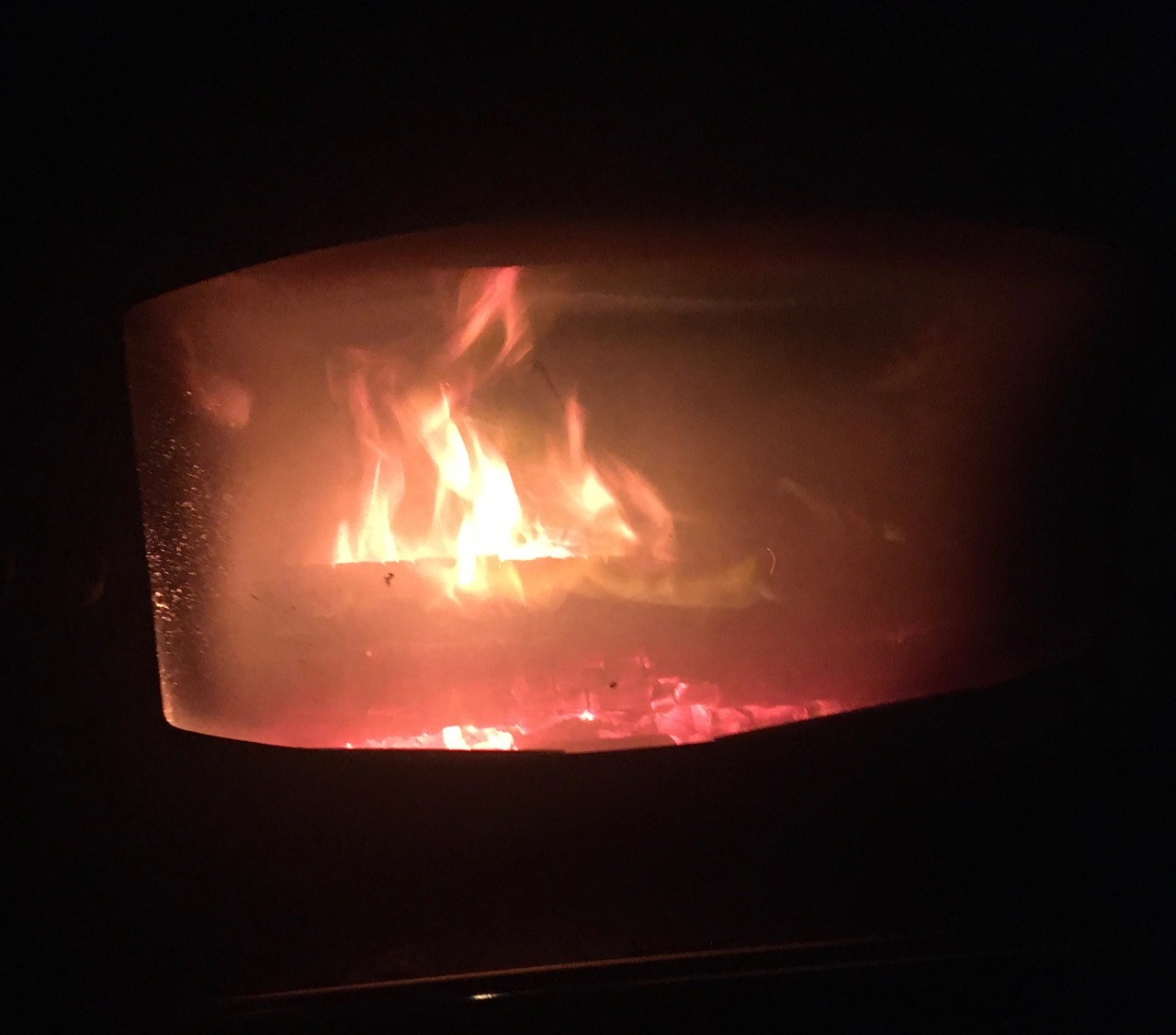
A couple hours later, our electric power went out, along with many other thousands in Maine–though only a segment of the people on our street. The thing with power outages is–you never know if it is going to be a brief interlude, a few hours, or a few days. You enter this limbo time of unknown duration. We waited until dark, and then lit our wood stove–thank goodness our house had this wood stove when we purchased it. It is a very fine wood stove, and it will heat the entire house when needed. We don’t usually use it except for emergencies. But in fact we had used it just a week ago when our heat pumps were being repaired. We have a few flashlights and candles, so we lit those too. And I could connect to the world via my cell phone, and Facebook.

However, I have to acknowledge that it felt very dark, the sun setting at 4 p.m., and not rising until about 7 a.m. Keeping up with wood in the stove was exhausting. It was hard to just relax with the uncertainty of it all. After a Friday of warm and windy rain, the temperature dropped on Saturday to a frigid 12 degrees. I was worried about our refrigerator food, and the freezer in our basement. I covered the freezer with a few blankets. I put the food from the fridge freezer into rubber tubs, and put them out on the back deck. Then, an unexpected grace–our neighbor Brian came by, and offered to run an extension cord from their house to ours–they had not lost power. So by this gift, we were able to plug in our refrigerator.

Before the storm, we’d purchased a round shrimp plate for a holiday treat–so Friday dinner was shrimp and cheese and crackers and cucumber and carrots. A little picnic. Margy had also boiled some eggs before the storm, and we had some sliced ham, so those were other meals that didn’t need cooking. On Saturday early evening, I got a text that the power should come back at 7 p.m., but then it did not. I felt such disappointment then, and crankiness, and boredom. Later, we tried to work on a puzzle, but without a good light source, it was mostly frustrating.

It is humbling to realize how difficult I found this time without electricity. I felt disconnected, restless, and bereft. I tried reading the book I had started a little while ago, but it was a heavy subject, and I couldn’t manage it in the midst of everything else. I missed the entertainment and mental stimulation of television or streaming channels like Britbox and Prime. I missed connecting to Christmas Eve services through Zoom. I felt at a total loss. I had imagined that as I grew older, I would become more resilient with age. But I see that I am perhaps less resilient after all, that I am vulnerable and dependent in many ways. When I went to bed, I felt defeated.

For whatever reason, I woke at 3 a.m. on Christmas, and couldn’t get back to sleep. I added a log to the fire, and wrote in my journal. I think then that I surrendered to the situation I was in–that here we were, in the dark, and we didn’t know for how long–and yet, we were warm, and we had food, and kind neighbors, and offers of support via Facebook. We were not alone. I thought about the people in Ukraine right now, also facing the loss of electricity in winter, and maybe no heat or water, along with the devastation of war and bombs–so much loss and uncertainty. I found myself praying for those folks who were facing so much greater hardships. I acknowledged my vulnerability and exhaustion.

By the time the sun rose, I felt peaceful sitting near the fire, drinking some tea after I’d managed to heat water on the narrow five-inch ridge on the top of the wood stove. I was still exhausted, still humbled by the difficulty of my managing in these circumstances, but somehow at peace with all of that. It would be a lie to say that I was not relieved when our power came back on at 10 a.m. But I am glad I came to some peace within my spirit before the end of our 44 hours without power.

Fire burning in the wood stove.