First harvests

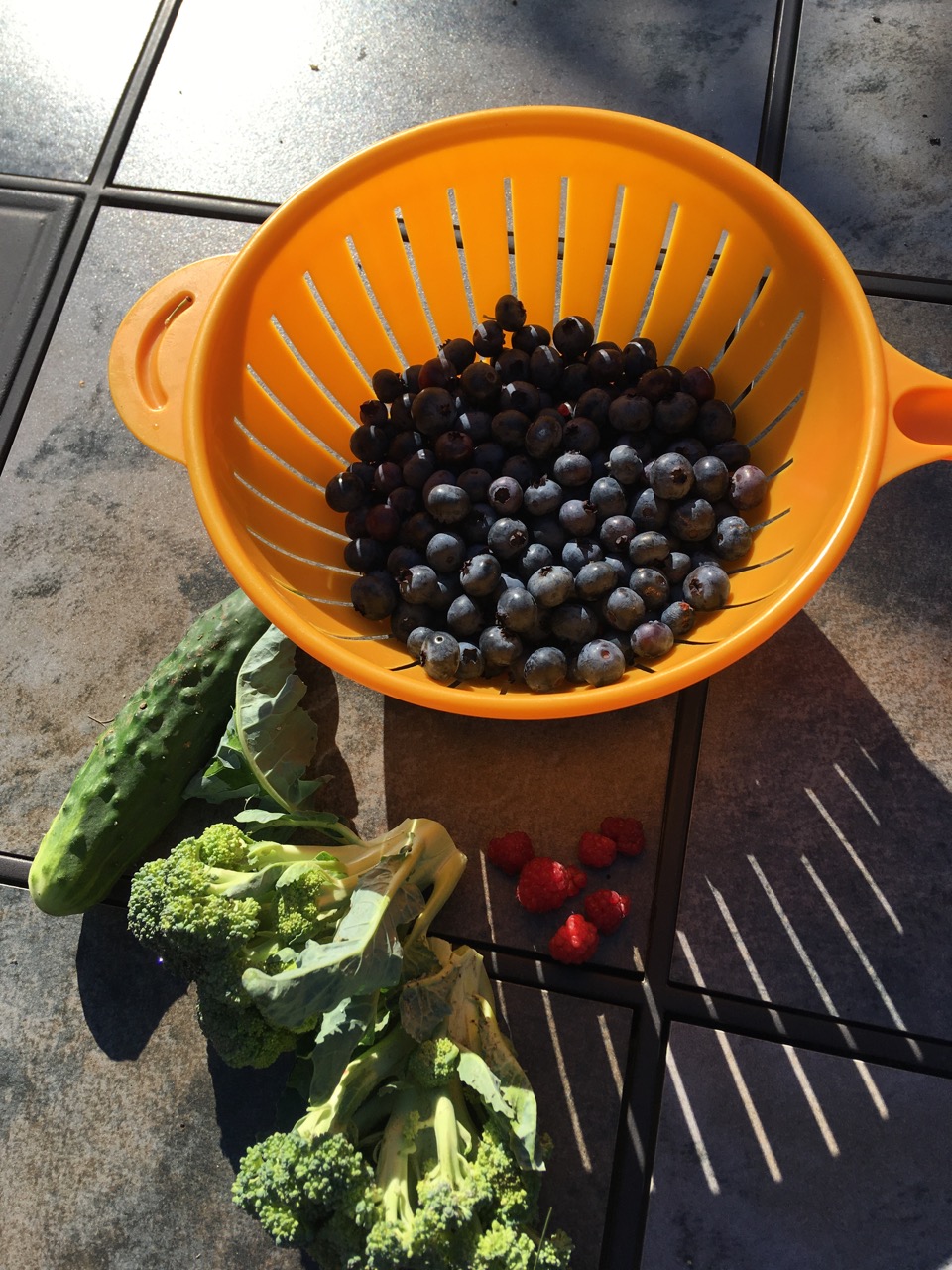
Orange slotted container with blueberries half full, and small cucumber, cut broccoli and a few raspberries.
Blueberries, cucumber & broccoli

In the excitement of the fledgling robins, I didn’t post about our Lammas harvest. The photo is of our fruit and veggie harvest of August 1st. It has been a great year for blueberries! We have also harvested some kale–there is more that wants to be cut today– some zucchini, some raspberries, and more cucumbers. Lammas is the first harvest festival of the season, and I am grateful and amazed that despite all our limitations, we actually receive food from this land.

We can’t control anything about this land. We can’t control what plants will thrive each season–no cherries or peaches this year, for example. But in partnership with the land, in our belonging to the land, these moments of yield emerge. So grateful!

There are things we cannot control

Green shoots emerging in brown leaves and old stems
Going through old files, I found this reflection poem from 2014. It feels even more fitting for today, especially living as I do in the "realm" of chronic illness. I cannot control how much energy I will have each day, and rarely can I take action that might have an influence in the world outside our home. But this morning I was reminded that I can still choose to love in all of my hours, and be grateful.

There are things we cannot control.
It is a long list.  The weather, the seasons, 
the coming of day and night.
Another person's joy and sorrow, or love and grief.
We cannot control anything 
	about another person, most of the time.
The things we cannot control 
       are more numerous than the things we can.
The economy.  The price of milk.  
The coming of storms or the blooming 
       of lady slippers.
The return of the hummingbirds,
       or the death of poets.
If you are like me, you sometimes imagine 
you have more power than you really have.  
You try to control what you can, 
and even what you cannot.  You worry.
You want your children to be happy and fulfilled.
You want your parents to be healthy and content.
You want your partner to be a good match, and loving.
You may want the members of your community
	to be enthusiastic and generous,
and your staff to be talented and never to move away.
Big things or small things, no matter.
There are long lists of things we cannot control.
We want for all children to be safe, and girls who are lost to come home again.
We want angry young men to work out at the gym 
        and never to buy large amounts of guns and ammunition. 
We want politicians to be dedicated to the common good,
        and news media to the truth.
We cannot control anything about another person,
        most of the time.
We cannot control another person's joy and sorrow, loss and grief.
We cannot control the ways that joy and sorrow come into our own life.

But there are a few things we can control.
We can choose the values we want to follow in our own lives.
We can choose to speak up and act 
	in ways that share our values with the world.
We can choose to greet a stranger
	and listen to a friend.
We can choose kindness. No matter what.
We can choose to love.
	(and love ourselves too)
May you find the places of choice in your life, 
      and be at peace about all that is out of our control.

Clearing Out the Clutter in Our Character

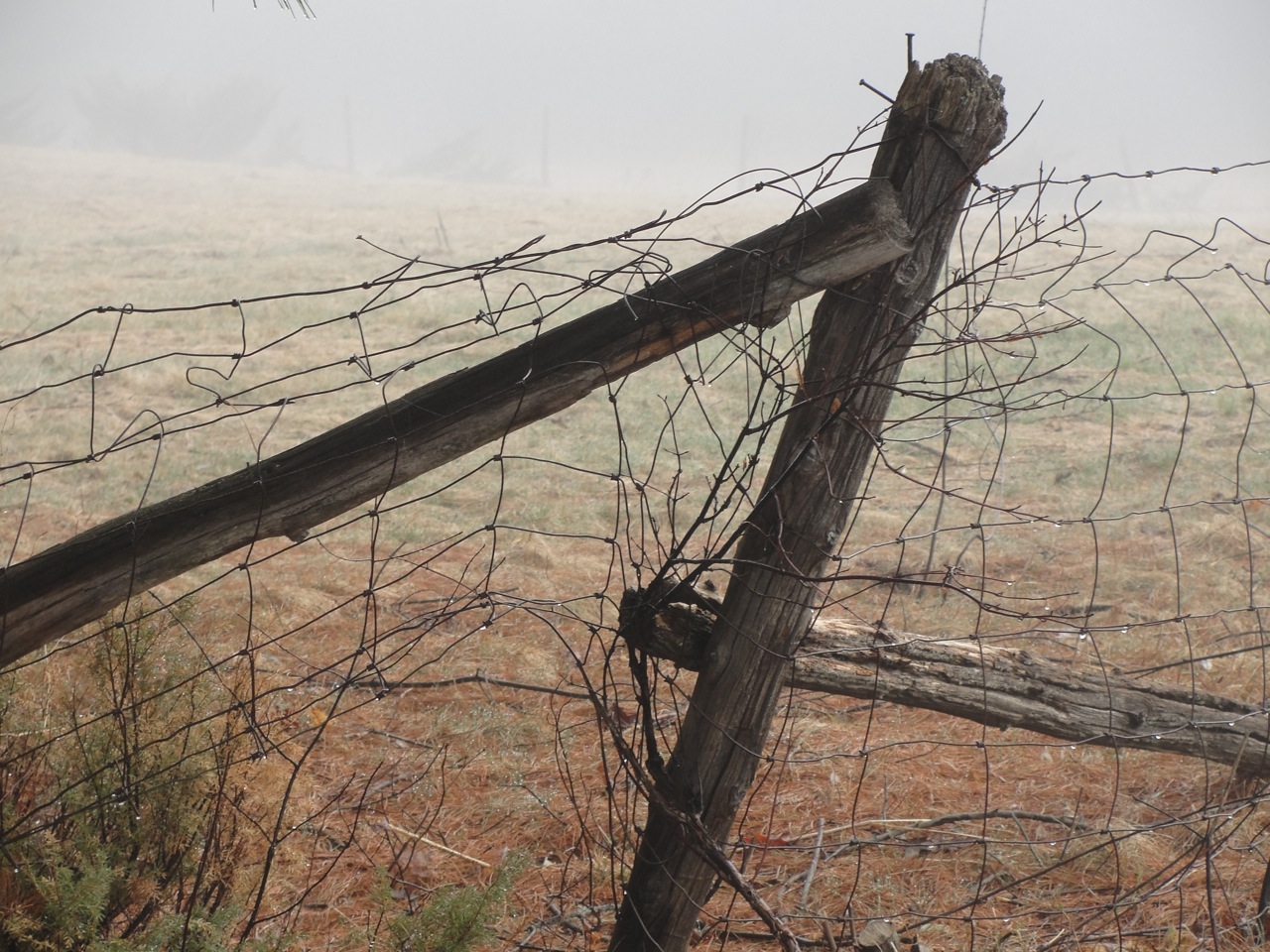
Fence DSC03309As I continued on my Journey into Emptiness, I discovered a third kind of clutter, which might be identified as the clutter in our character. This is made up of all the tools and maneuverings that we use in our relationships with others.

Does every vacation—for those of us who are partnered—have to include at least one big argument? Mine seem to, and they unfailing arise out of habits that might have some usefulness in completing work projects, but not in being with the one I love.  My colleague, the Rev. Barbara Merritt, drew my attention to the advice of modern theologian, Richard Rohr, who claims there are three things we need to let go of here: 1) being in control, 2) being effective, and 3) being right. Then she told a story that I could have written myself. She said:

Having just read that list, I was a passenger in the car as my husband drove us to the movies Thursday night. I couldn’t help but notice that he’d taken a very slow and, I believed, inferior route. I shared this observation with him. He reminded me that I was not driving (number 1, I was not in control.) I replied that he was not being as effective as was possible (I wanted maximum efficiency) and finally I comforted myself with a smug sense of being right. In less than a minute, I had violated all three precepts of ‘letting go.’ I had struck out.

One day Margy and I were driving to the movies, and I managed to strike out in just exactly the same way. From my point of view, we were rushing to get to the movie, and she was foolishly taking a longer route. There was nothing intrinsically unpleasant about the journey, yet I was worried about wasting time on the way to the movie. I was attached to control, effectiveness, and a sense of myself as being right.

Antoine de Ste. Exupery, in The Little Prince, tells us that it is the time we waste on our friends that makes them so important to us. Of course, there is a paradox here. Being with friends is not really a waste of time. But we cannot enter that time with productivity or effectiveness in mind. Wasting time is the essence of a playful spirit. We are not trying to gain anything, grow anything, accomplish anything. We move from doing some thing, to being some one.

On the journey into emptiness, the third step was to let go of these compulsions of my character, and to waste time. Perhaps because I am partly introverted and partly extroverted, I needed to waste time both alone and with others. I needed unstructured solitude, and I needed unstructured time with friends.

How often do we just take time for being with friends? After one such dinner conversation, I wrote in my journal: I feel saner, restored to myself. This is what I am looking for, finally, this sense of being restored to myself. In order to be in the present moment with others, I needed to stop doing and doing. I needed to let go of control, to let go of being effective, to let go of being right.
 

The quote from the Rev. Dr. Barbara Merritt was from a sermon “The Spiritual Practice of Letting Go” preached February 25, 2001, at First Unitarian Church in Worcester, MA.