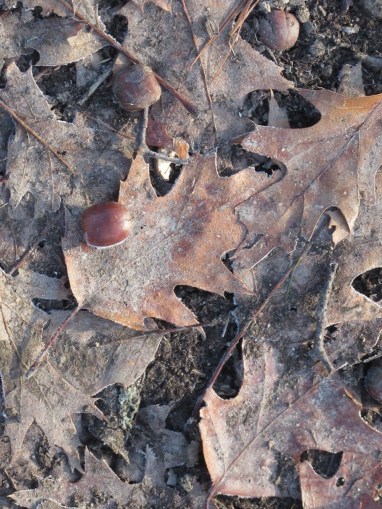
 The mild weather has revealed old oak leaves and acorns all over the ground on the trail by the brook, as well as the back of our yard. The trees in our yard are young, but there are many old ones in the neighborhood. In the fall there were literally thousands of acorns underfoot all along the streets and the trail. It got me thinking about acorns as a food source–roasted and ground into flour.
Unfortunately, I finally learned that all of these neighborhood acorns are from the northern red oak, whose Wabanaki name referred to its bitter acorn. Acorns from the white oak and the burr oak were much preferred for eating because they are sweeter. Still, I am thrilled to know their names. All this from the book Notes on a Lost Flute, by Kerry Hardy, including a helpful diagram of the shape of each type of leaf and acorn. After seeing the pictures, I paid attention to all the oak leaves along my walk–all red oak. Simply put, the red oak leaves have pointed edges, while the white oaks have rounded lobes. Sometimes it helps to simplify–there are actually about 600 oak species overall, and 8 in Maine.
Researching further, I learned in A Short History of Trees in Portland, that there are stands of white oak in Baxter Woods and Deering Oaks park. Now I am delighted to imagine walking there in the spring to see if I can find those trees. In the meantime, another storm is on the way, and it will soon all be covered again in a foot of snow.


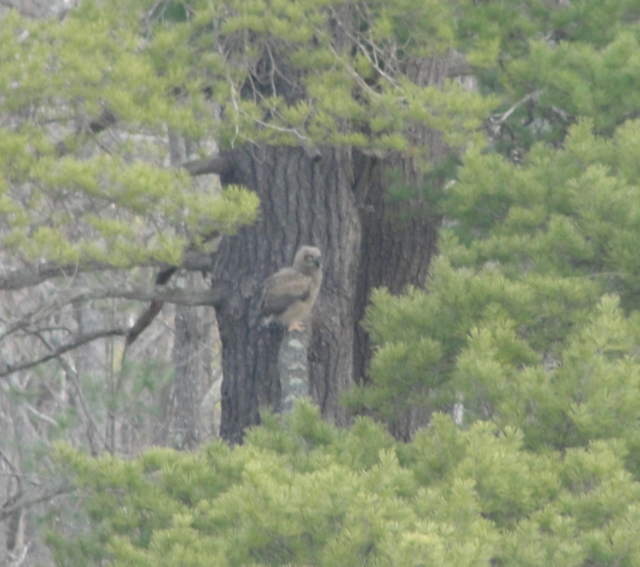
 On my walk yesterday, I followed the brook trail by the Hall School. Then, as I was going along the road that crosses over the brook, I happened to look through the chain link fence to my left, and saw these huge birds resting in the underbrush near the brook. They had not been visible from the trail–in fact I went back to see if I could get a closer look, and they were completely hidden. Turkey vultures. I had never seen them in the neighborhood before, but while watching for several minutes, another bird emerged–looking scruffy like a juvenile. So maybe this was mama and papa’s protected home for raising their baby.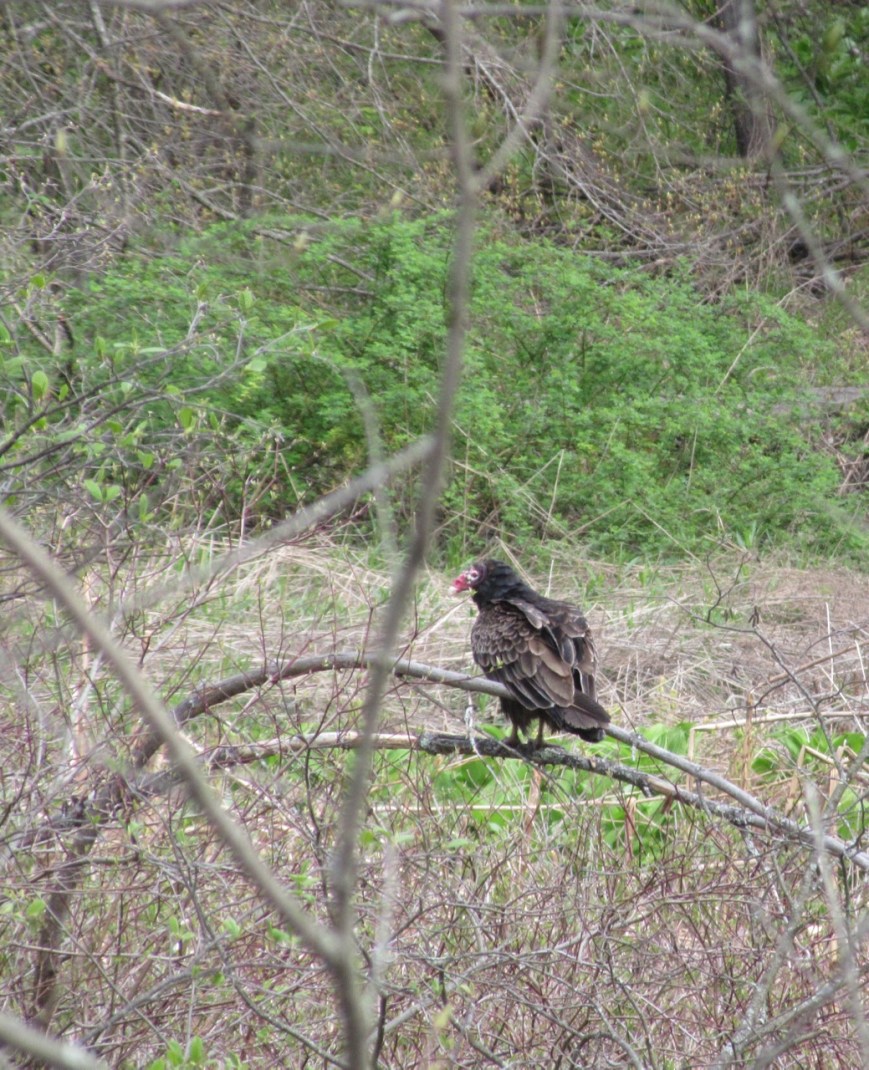


 I am feeling an paradox today. I began this

 Advice from Mona Polacca, one of the Council of Thirteen Indigenous Grandmothers: “Know your water.” Living in the city of Portland, we have city water in our home, which comes from Sebago Lake before it is processed. So we share a collective responsibility for keeping the water clean. After being on a private well, it is a bit strange to get a bill for water, but it gives us a better consciousness of its careful use. (Unfortunately, Portland treats its water with fluoride, which has been implicated as detrimental for thyroid health. Something to explore for another day.)
 Finding Our Way Home