The Partnership of Human and Tree

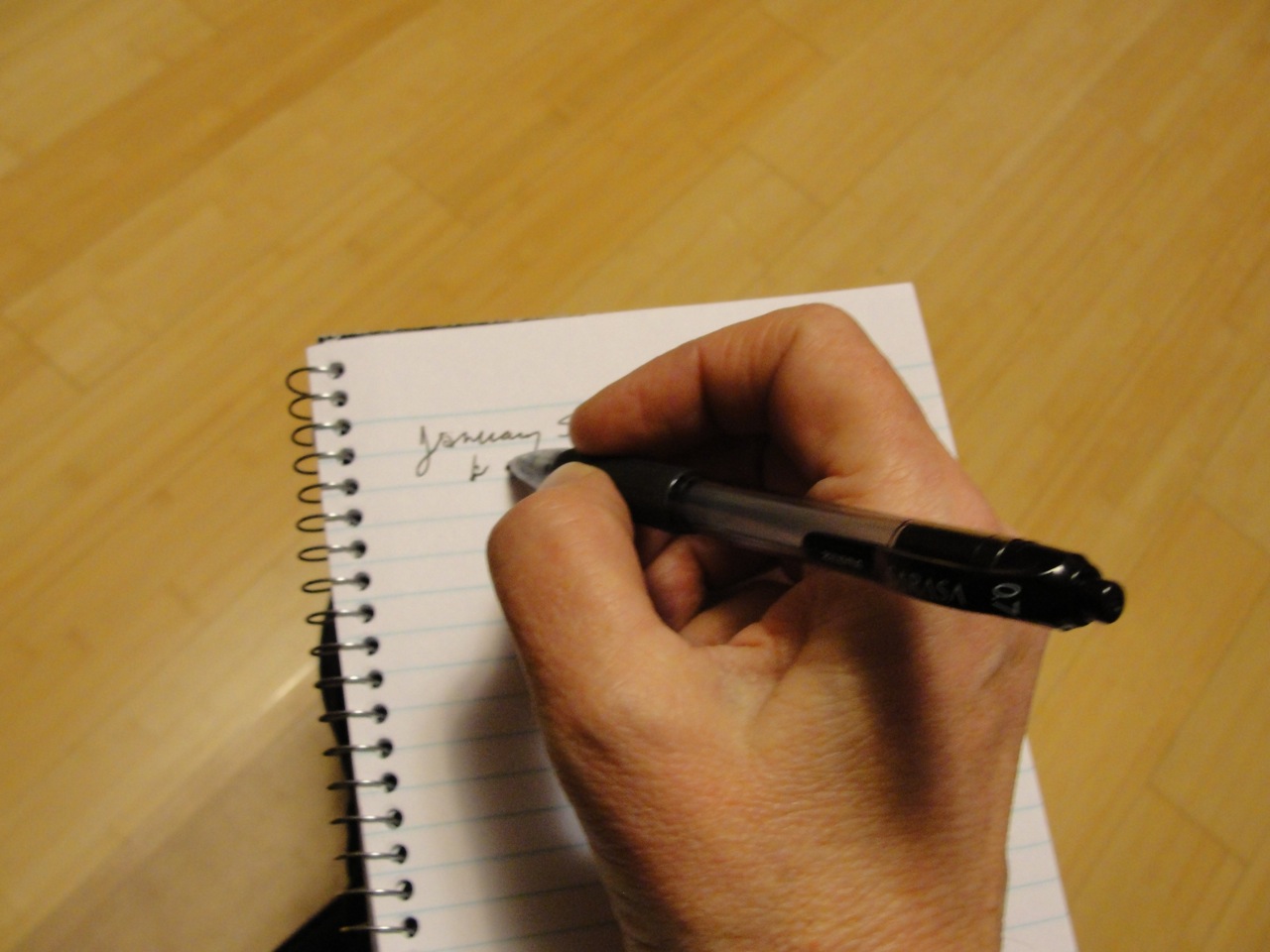
When I write in my journal, I do it on paper, and what is paper but very thin slices of wood? Each time I write, I enter this old partnership of human and tree. We join together to create a magic of exploration and memory which neither of us could do alone. Think of the vast store of human wisdom and history found in libraries around the world. All of it would have been impossible without trees to hold our words in their keeping.
Beech Tree Close Up 133650001Many years after I sat in the beech tree, I discovered another link. According to Gilbert Waldbauer, the ancient Germanic peoples would carve their runes on thin slabs of beech wood. These were sometimes laced together with thongs to create what they called a Buch, which is the German word for both beech and book.

The tree is our original text, the bearer of all text. When I sat in the beech tree, I was face to face with that perennial yearning of humankind to leave our mark. I too had a yearning to leave my mark on paper, writing my thoughts and feelings, my hopes and memories, creating something new with the magic of words.

Trees have been the foundation of so much human life and culture. The first fuel of many of our ancestors was wood. Our houses are made of wood. The floors, the walls, the ceilings, the window frames and doorways. We are surrounded and held up and sheltered by the gift of trees. Our musical instruments, our tools, our boats, many of our foods and medicines, all are possible because of trees. No wonder we say “Knock on wood” when everything is going well and we wish to protect ourselves from bad luck.

Trees also play a significant role in the crisis we face today for the health of our planet. Deforestation has contributed to global warming, and planting new trees can contribute to reducing the levels of carbon in the atmosphere. I am inspired by the Green Belt Movement in Kenya, founded by Nobel Prize winner, Wangari Maathai. Beginning in 1977, she organized poor rural women in Kenya to plant trees, and learn small scale trades that benefit the environment while providing a living. Over 40 million trees have been planted in Kenya in the last thirty-six years.

Sometime I wish we Americans could go back to the old European pagan approach to trees. They didn’t believe it was wrong to cut down trees or use their products for their needs. But the old pagans taught that before cutting a tree one must ask permission of the tree. To request its consent acknowledges that we have a relationship of mutuality and respect. Some might say that asking wouldn’t alter the act of cutting the tree. But just compare how consent and respect differentiate acts of lovemaking from acts of assault.

To relate to a tree with respect will change the nature of the use we make of it for our survival needs. I believe that a tree is not merely a tool and resource for human needs. The tree is a sacred Other, with its own inherent value and meaning. How do we know that the tree does not have its own sentient life? Recently I learned that trees emit low frequency vibrations that human ears cannot detect. My lack of knowledge about its language, does not determine that the tree is without a language of its own. 
Writing as Dialogue

Along with journaling, another form of writing that has been a part of my spiritual journey is to write to someone I care about—not to be sent to that person, but to express what I need to express to them. This can be especially powerful when we have lost someone we love to death. My first romantic partner, Gary, and I were together for six years. After we had been separated for a few years, he was killed in an auto accident. I still loved him, and my heart felt broken at his passing. There was much that had been left unfinished in our connection. I found that I could write to him in my journal—I could tell him all the things that had not been said between us. It was a way to find healing and bring closure to our relationship.

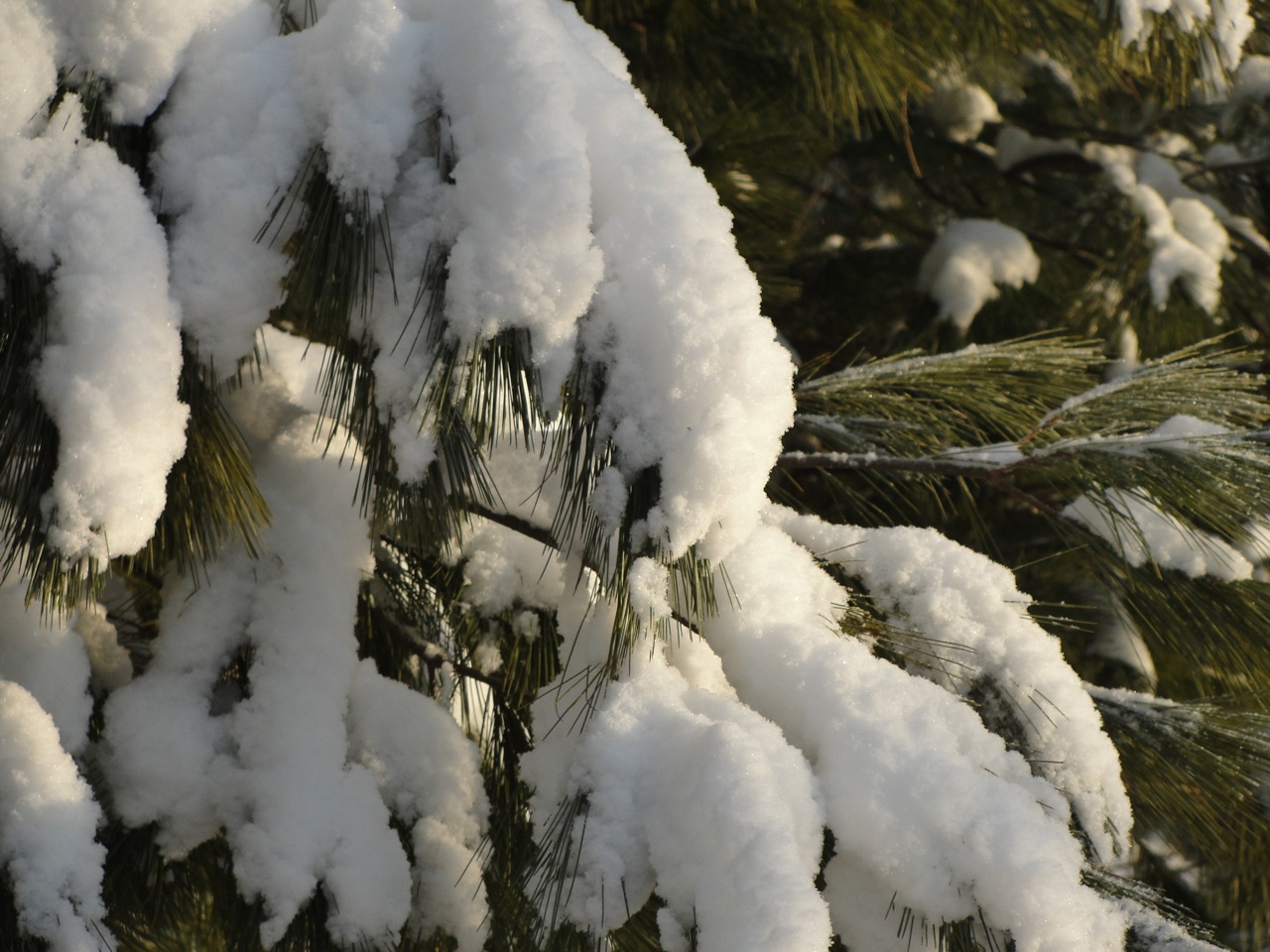
Another side to this writing is to write in the voice of the other person or being. Here is an example of what I mean. I ask a question, whatever question is deep in my heart. One of my perennial questions is “How can I learn to live in harmony with the earth?” I write it down. Snow on Branches DSC05758Then I let the voice of the trees answer the question. I do this literally. I write, “the trees say:” and then keep writing. Here is what came out when I asked this question most recently: “The trees say slow down, stop running everywhere, feel the wind on your face, feel the sun on your skin. Don’t be afraid, you can do this. You belong to the earth.”

It wouldn’t have to be trees. It could be birds, the ocean, the moon. It could be myself at the age of eight. It could be my old love Gary. On a psychological level, in all of these exercises, what I am doing is tapping into parts of myself that hold wisdom. On a spiritual level, we are not separate from trees, birds, the ocean or the moon—so who is to say that if we open our souls we can’t hear the wisdom they might have for us? Writing connects us to the depths of our own hearts, and our hearts connect us to all that is.

Anne LeClaire, a writer I met while living on Cape Cod, said we must take up our pen “like a heat-seeking missile… aiming it for the territory of truth.” We must go to the places we are afraid to go. We so often try to keep our hearts hidden, afraid to expose our secret selves. But LeClaire challenges us: “The heart of the universe is always within our own hearts if only we can be brave enough to expose it.”

Writing is a journey we take to discover who we are and what in us is true. Writing will surprise us. We don’t know ahead of time what will come out on the page, what will emerge within our souls. Like the magic of the ancient runes carved in trees, writing reveals secrets to us.

Quote from Anne D. LeClaire, “Writers and… Risks,” in The Cape Codder, Nov. 3, 2000.

Writing a Journal

Journaling DSC01316I started to write a journal when I was a young adult. It was 1979, and I was a year into my first serious relationship with a partner. His name was Gary, and we were deeply in love. But the first pages of an orange spiral notebook are filled with my confusion and pain about the struggles in our relationship. When things were difficult, he withdrew from me, and so I wrote about the pain I felt when he withdrew. I wrote about who we were together, and parts of myself that seemed to be disappearing. Perhaps I should thank him now—if he were a better listener, maybe I wouldn’t have started writing so much.

But once I started, writing became an important way of learning about myself, a spiritual practice that has continued to this day. I wrote my questions about how to live in the world, what my own calling might be, what brought me joy and what left me empty. I wrote my questions about God. It was in that same year, 1979, that I was wrestling with big questions of spirit and faith. I was introduced to the idea of the Goddess, and women’s spiritual circles. I wrote to God, to Goddess, to Jesus, all my questions and doubts, in a kind of prayer—are you real? Are you there for me? What am I meant to do in this life?

Writing can unburden our hearts and minds. We can take our weary feelings, our anger, our confusion, our loneliness, and we can put it outside of us, setting it down on paper. It can help us to let go, and move on. Writing can also take us more deeply into our own hearts and minds, and open us, layer upon layer, until we reach the place of inner wisdom. Polly Berends said, “Everything that happens to you is your teacher…the secret is to learn to sit at the feet of your own life and be taught by it.” Journaling is a way of sitting at the feet of our own life and being taught by it.

A few years into my journaling, I began to mark the pages according to the cycles of the moon. Each new moon, I began to read back to the last new moon, and sometimes I would give a theme to that moon time, like a chapter to a book: the traveling moon, the moon of discernment, the moon of confusion. To read through our own journal entries is another way of being taught by our lives.

Rune Carvings

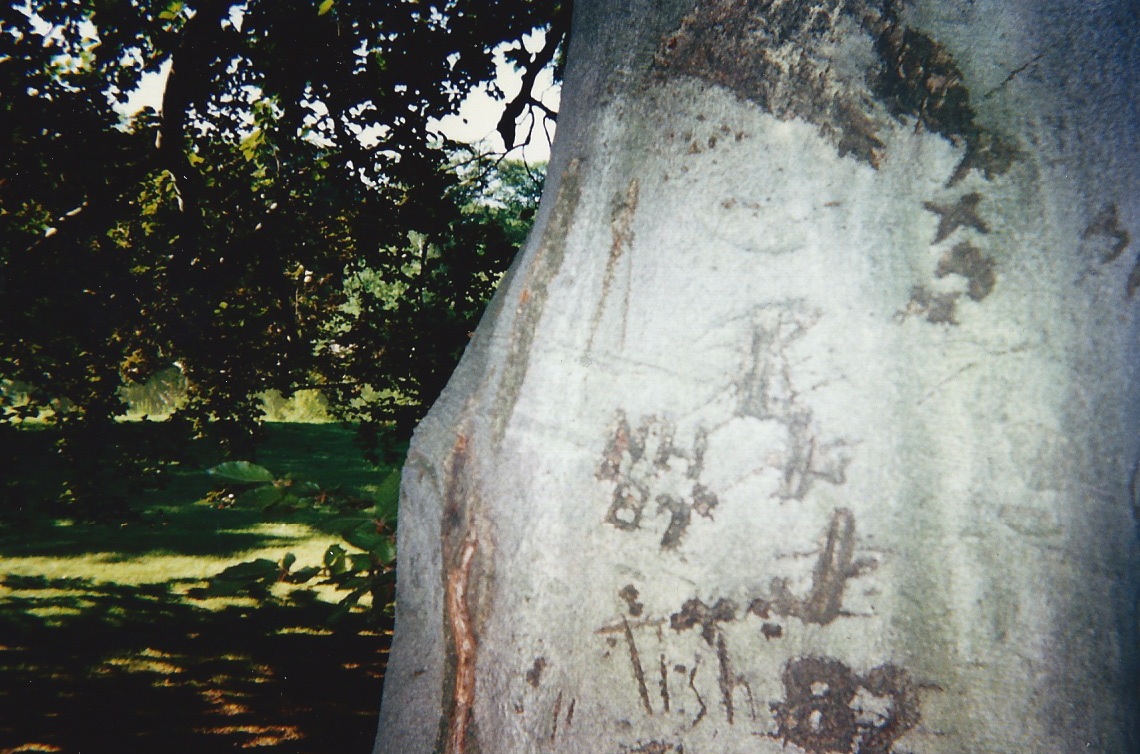
Beech Tree Markings 133650002When I sat in the old copper beech tree, surrounded by the hopeful carvings of many human persons, I was reminded of the runes, the early carved alphabet of the Germanic languages. I had earlier taken up the study of runes, because I was curious about the culture and spirituality of my ancient Germanic ancestors. The traditional way of making runes is to carve them into small staves of wood cut from the branch of a fruit bearing tree. The rune letters themselves are sharp and angular, revealing their origins in the markings that blades can make in wood. Each of the rune letters is a symbol of some sacred power in the German understanding of the universe.

Runes were used for magic, for divination, and for communicating with sacred forces. According to some German and Norse myths, the runes were given to the God Odin, after he hung suspended for nine days and nine nights on the sacred tree of the world, Yggdrasil. Odin then shared the runes with humankind. The runes were a gift from a holy tree.

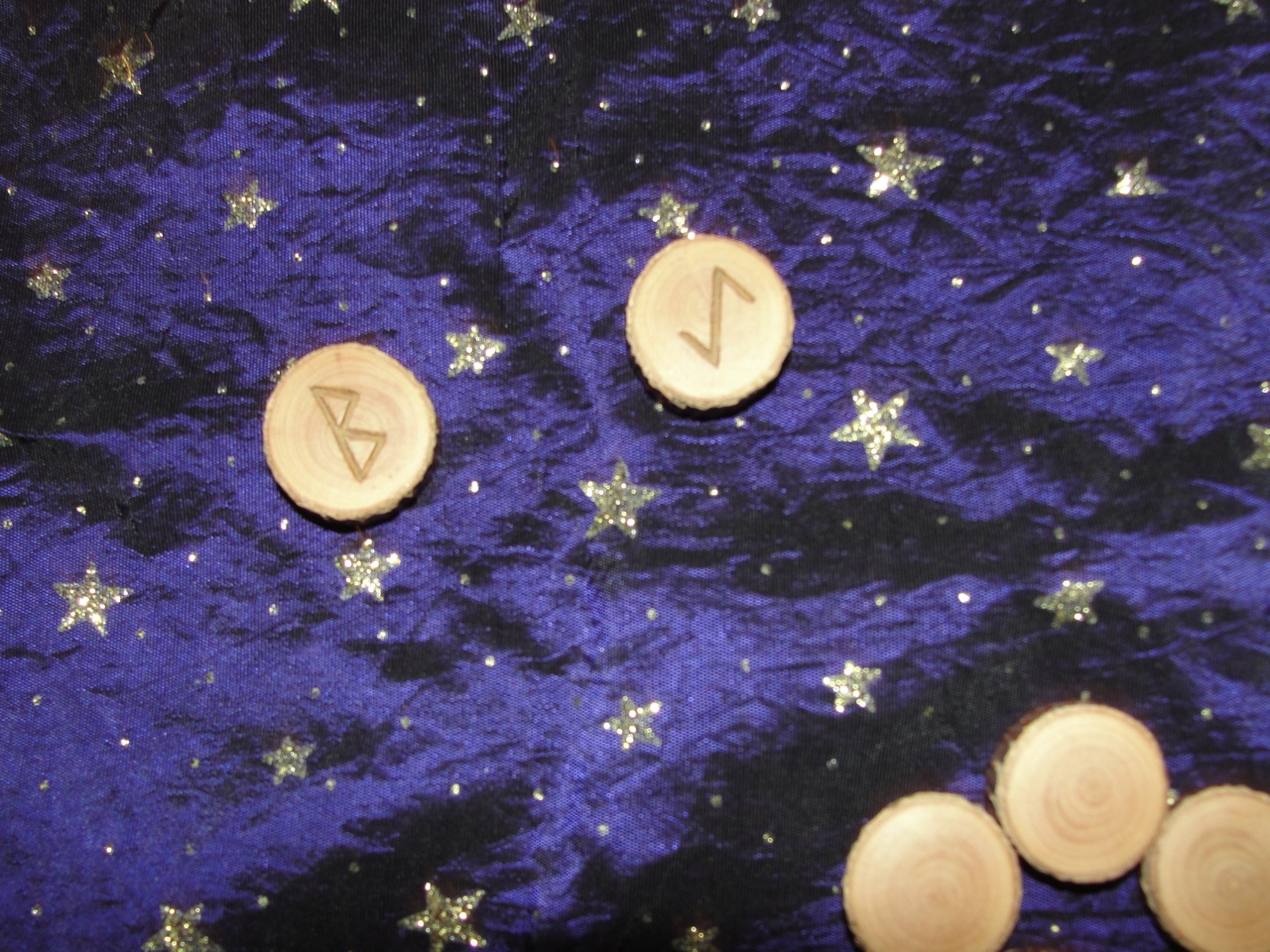
Runes DSC01305Two of the runes are specifically linked to trees. Eiwaz represents the yew tree and Berkana, the birch tree. The yew tree is a symbol for Yggdrasil and is linked to death and the everlasting realm beyond death. The tree is poisonous and its wood was used to make long bows for hunting and war. It lives to be perhaps the oldest tree we know. There is a yew tree called the Fortingall yew, which is situated in a churchyard in Perthshire, Scotland. It is believed to be the most ancient tree in Europe, between two and five thousand years old.

The birch tree, on the other hand, is linked to birth and beginnings. It is one of the first trees to grow in an area after a fire has destroyed its vegetation. Birch branches were used in cheerful springtime rituals, a symbol of new life and the fruitfulness of spring. When Margy and I were looking for a home in Maine, we were feeling discouraged after May and June had passed without our finding anything. We did a reading of the runes, and pulled out Berkana—the birch tree rune. It could be read as a great indicator of prosperous new beginnings coming into our life. But we also decided to take it more literally.

We began to look for houses that had anything to do with birch trees. We noticed an ad for a house on Birchwood Road, and saw another house described as having birch cabinets, and a few others like that. So we came up the last weekend in July to check them out, and then found another house in the newspaper on the last day. The backyard turned out to be full of birch trees. It was also just what we were looking for.

Some people believe that the runes communicate magic messages. But what strikes me most powerfully about the runes is the magic of written language itself. What an uncanny ability it must have been at first—to communicate across distance or time in a way that talking could never match. The root of the word “rune” implies secret or hidden. A message could be carved out by one who knew the runes, and—sent via a messenger who did not know the message—it could be understood by another person far away. The ability of rune readers to communicate in silence with each other would have appeared magical to anyone who witnessed it. These messages could even endure beyond the death of their creators, to be received by those who came after. We have forgotten to be in awe of that power.

The Four Directions Tree

I frequently tramped eight or ten miles through the deepest snow to keep an appointment with a beech-tree, or a yellow birch, or an old acquaintance among the pines.              Henry David Thoreau (Walden)

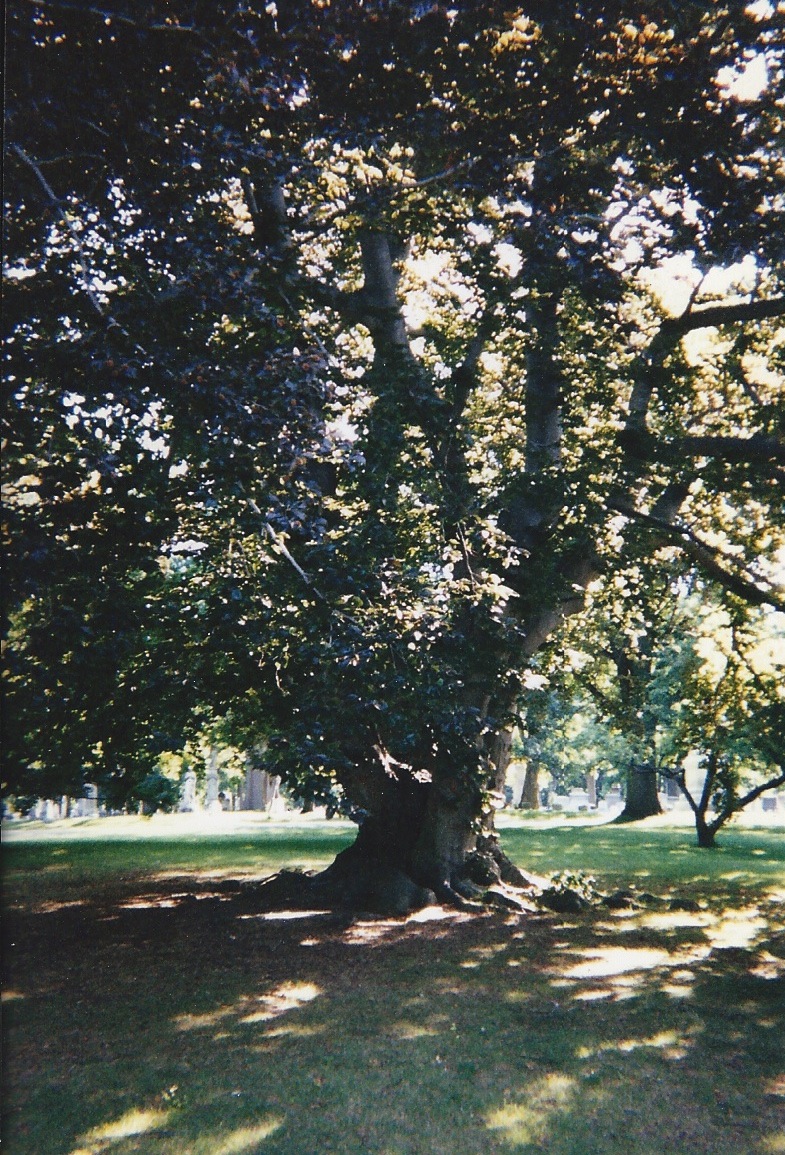
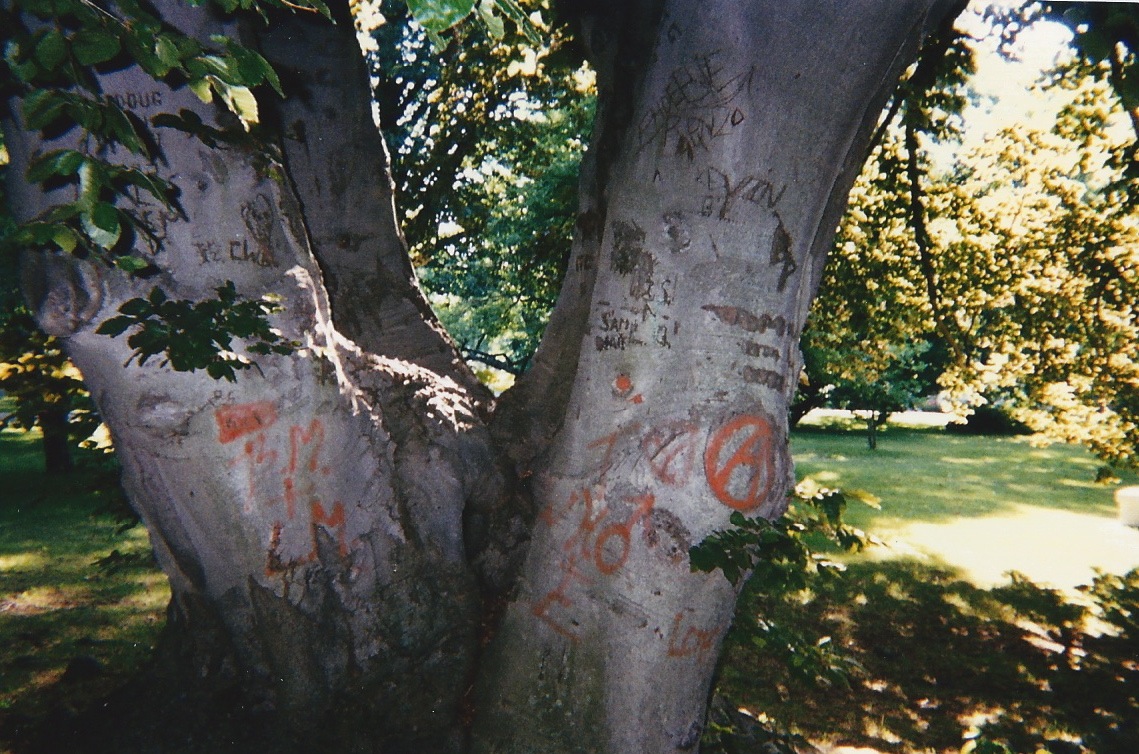
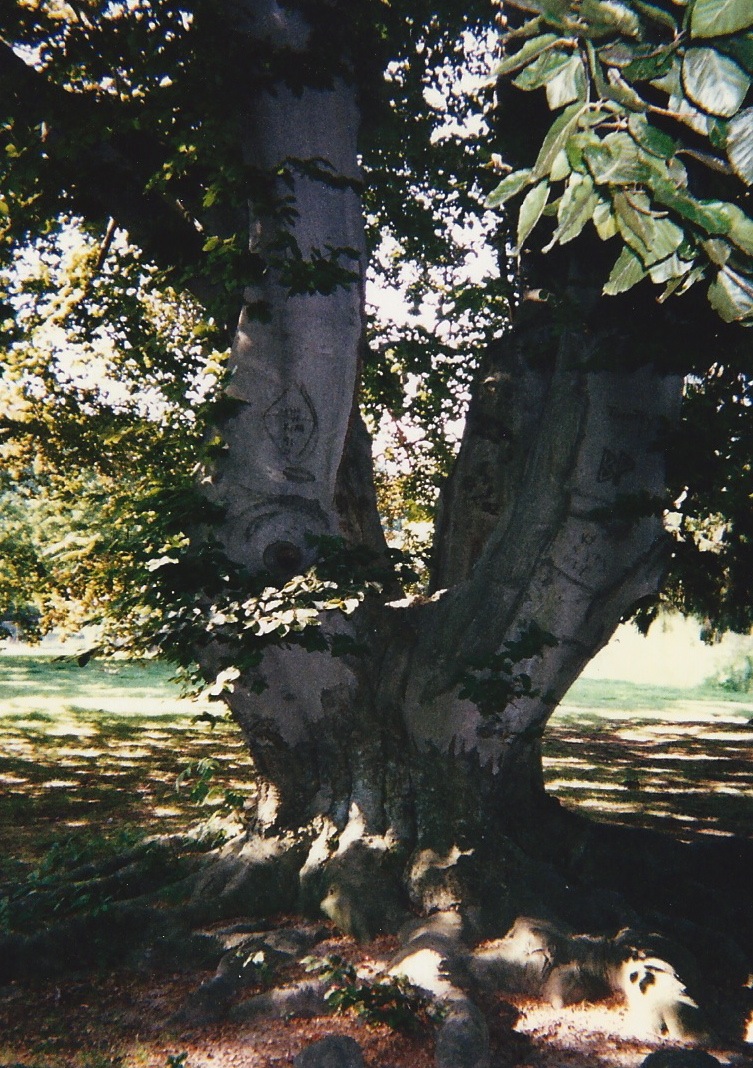
Beech Tree 133650000When I lived in Boston, during the time I was preparing for ordained ministry, I used to visit a certain copper beech tree in the Forest Hill cemetery. It was about a ten minute walk from my home in Jamaica Plain, situated next to a small pond. I called it the four directions tree. This was because its giant trunk divided into four huge branches at about the level of my waist, and then reached toward the sky in opposite directions. One of the branches bent off a little lower, so it served as a step, up to a spot where a person could sit, right in the heart of the tree.Beech Tree Perch 133650003

Almost every day I would climb up to that perch, and lean my back against the smooth gray bark. From within, the purple leaves of the tree appeared a translucent green as the sun’s light filtered through. Some of the branches bent downward to almost touch the earth again, creating a shady yet glowing canopy. On the gray bark all around me were carved initials and messages—ragged names and dates, hearts and promises of true love always. I used to be upset that people would carve on trees, but then I began to wonder if there was something about these particular trees with their smooth elephant-like skins, that invited us to leave a permanent record.

When I was feeling tired or overwhelmed, I could sit in the four directions tree and give it my worries. Sometimes I felt that if a moment were important enough, I too would want to carve my tale in letters in its bark. My sisters and I, when we were little, would take turns writing words on each others backs as we lay in bed at night. The one whose back was being written on would try to read what message was being spelled out. I wondered if maybe, in a very important moment, the tree might read my words like that.

I went to the beech tree when I was looking for something to root me, something to rely on: When my days got too hectic and it seemed that I would never finish everything I had to do. When I was anxious about my future and wondered if I would find my calling as a minister. When I grew discouraged about the struggle and pain of the world around me. Whenever I found myself speeding up—as if I were on a frantic chase that left me breathless, as if I were trying to catch up to something just out of reach.

Then, I would go to the four directions tree. The tree didn’t speak in English words. But it seemed to bring me answers in a more subtle language. I would trace its bark with my fingertips, and remember who I was. I would remember that speeding up never brings me more time; only slowing down can do that.

I never did carve my initials there, but it seemed as if my deepest identity could be deciphered in its patterns. Sitting with my back against one of the branches, I could feel myself growing roots again. I would become as common as soil. As precious as water. Worthy of the sun. Perhaps that is the secret of why we write on trees. So that our truest dreams and memories might be found there again and again.

Blessed Illusion!

Flowing Water MJ DSC02210The Spanish poet Antonio Machado wrote,

Last night when I was sleeping,
I dreamed—blessed illusion!—
there was a fountain flowing
deep within my heart.
Water, tell me by what hidden
channel you come to me,
with a source of new life
I never drank from before.

Last night when I was sleeping,
I dreamed—blessed illusion!—
I had a beehive
deep within my heart;
and the golden bees
were using old
bitterness to produce
white wax and sweet honey.

Last night when I was sleeping,
I dreamed—blessed illusion!—
a blazing sun was shining
deep within my heart.
It burned because it gave off
heat like a red hearth;
it was a sun that illumined
and also made me cry.

Last night when I was sleeping
I dreamed—blessed illusion!—
it was God that I felt
deep within my heart.
                                                                          Translation by Armand F. Baker.

As I have explored in earlier posts, the word God can be a confusing word. God is hard to talk about—whatever we can say about God, that is not really what God is. Machado’s poem uses these stories and images, these dream illusions to describe a movement of mystery within his heart.  Robert Bly, in a more well known translation, calls the original spanish “¡bendita ilusión!” a “Marvelous Error.”

I believe that Machado knows that words can’t really describe what he has found inside his heart.  Only “illusion”–he calls it a blessed illusion–can begin to point to it.  And yet, what we say about God reflects what we worship in the temple in our hearts. What we say about God matters.  And saying this word God is a good reminder to choose something big enough to worship. Saying the word God is a good reminder not to give our devotion to anything which is not worthy of us.

Raymond Baughan, said,

What is required of us…
Is that we go down
Into uncertainty
Where what is new is old as every morning
And what is well known is not known as well…

What is worthy of our worship? What can lead us into the largest reality of which we are a part? What can open our being to the essential Mystery? What will keep expanding, and never be smaller than what we have already known? It is a process never finished.

“What is Required of Us,” by Raymond Baughan,author of The Sound of Silence: a Book of Meditations, 1965, Unitarian Universalist Association.

Reclaiming Our Temple

Sadly, people often fill up their hearts with things that aren’t so good to worship. The temple of our hearts can get messed up and overrun with garbage, or taken over by invaders. When we are too attached to something too small, we call it idolatry or addiction. When we are addicted to something, it has captured the temple of our heart, just like the story we hear at Hanukkah about the Syrians who captured the temple in ancient Jerusalem.

I remember a friend who got caught like that. This was back when we were in high school, and she had gone to see the movie, Bonnie and Clyde, about the two famous gangsters. Somehow that movie became the most important thing in her life. She started dressing like a gangster, and smoking marijuana, and drinking beer; she stopped paying attention to school, and started hanging out with kids who were skipping school and going to stores to shoplift. She became a different person, who didn’t care about anything or anyone anymore. I don’t know what happened to her after I left school. I hope she found a way to clean all the junk out of her heart.

But each of us at some point in our lives has been taken over by something unworthy. How could we not be? We are surrounded by advertising, by greed, by competition, by individualism, by dogmatism, by ideology. Just to survive we make compromises; we learn to align ourselves with a group or a product. We divide into red and blue states. We worship a good thing until it becomes an idol for us. There are many ways to be too small.

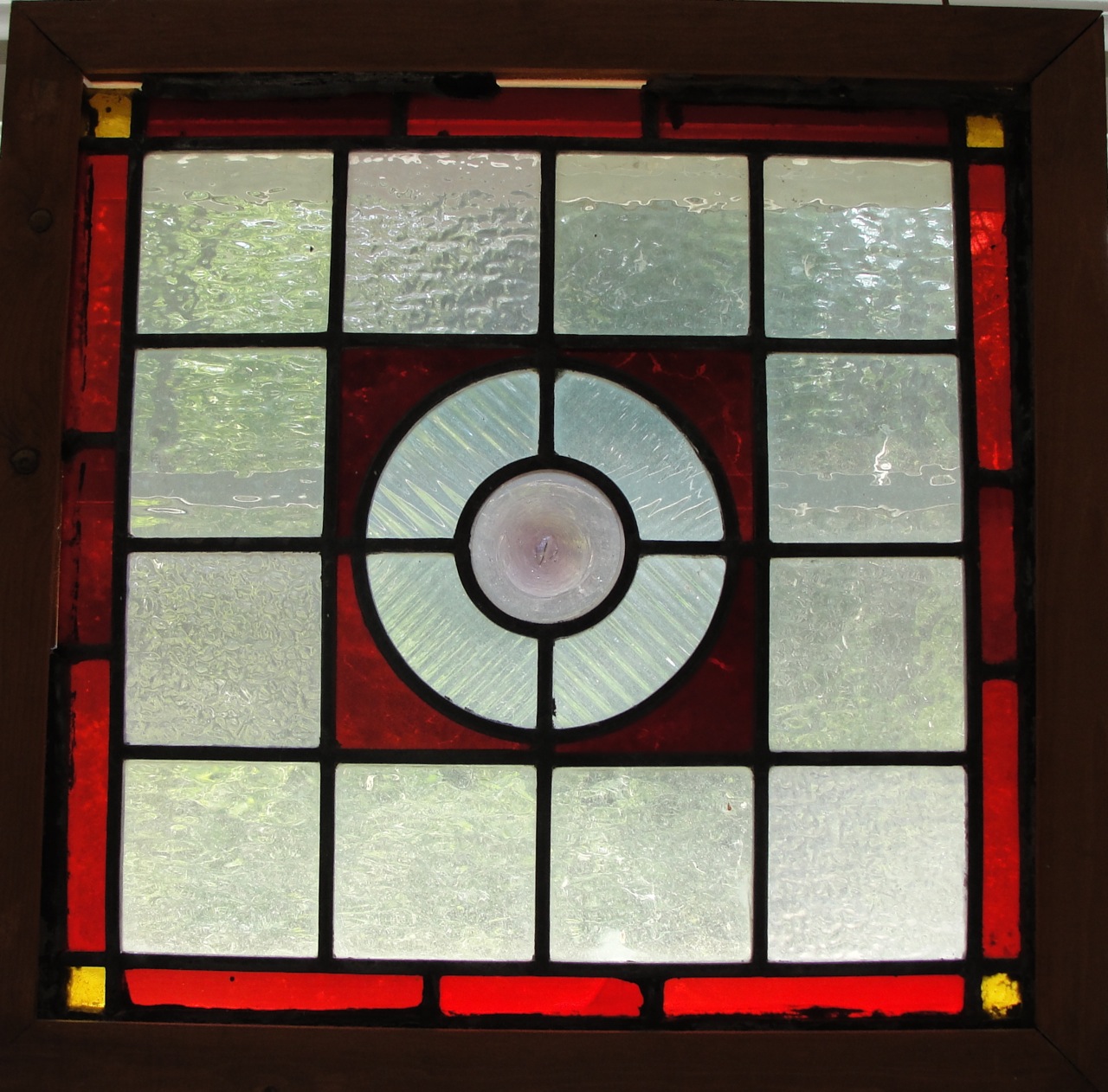
Stained Glass Circle DSC05480When our heart has been taken over by something unworthy, it is a battle to win it back. It can be the hardest thing we’ve ever done in our lives. Like the Maccabees who won back the temple in Jerusalem, we may need to dedicate all of our strength to reclaiming our own temple again. We may need to gather others together to help us. But this is important. This is the temple. This is the heart of our life.

The feast of Hanukkah is known as a celebration of miracles. It reminds us that the dedication of the temple is not a simple thing—that there will always be battles over what is in the temple. That we must always re-dedicate ourselves to the worship of what is worthy of us. When I reflect on the old story, I ask myself, again, what is in my temple today? To what is it dedicated? Does it need to be purified? The miracle of Hanukkah was first of all believing that change was possible. Even when all seems hopeless, if we take the first step, if we light the first candle, the way will open up. We take the second step, and light the second candle.

If you had a temple in the secret spaces of your heart, what would you worship there? We can make a choice to worship that which has true worth for us. Rumi advised:

Let yourself be silently drawn
by the strange pull of what you really love.
It will not lead you astray.

Itsy-bitsy Statues

When we give our lives to a larger purpose, whether we name it God, or kindness, or the earth, or Mystery, we can find meaning and transformation and spiritual growth. To worship something too small can distort and cheapen our lives. Even spiritual or religious things can be too small. Thomas Merton, who was a Trappist monk as well as a writer, said, “there is always a temptation to diddle around in the contemplative life, making itsy-bitsy statues.”

Yard Statues DSC09950

When we get attached to our ideas, or images, or even our ways of praying, we can forget the largeness of what it’s all about. We can forget that spirituality is meant to awaken us to the larger whole of reality, of which we are a part. Rumi, the Sufi poet, put it this way: “Don’t be a cat toying with a mouse. Go after the love lion.”

Writer Annie Dillard, reflecting on Merton, said:

There is always an enormous temptation in all of life to diddle around making itsy-bitsy friends and meals and journeys for itsy-bitsy years on end. It is all so self conscious, so apparently moral, simply to step aside from the gaps where the creeks and winds pour down… I won’t have it. The world is wilder than that in all directions, more dangerous and bitter, more extravagant and bright.

Reality is bigger and more mysterious than the things we do, or the ideas we think, or the stuff we buy. If we get too attached to any small thing—wearing the right clothes, or going to the right parties, or having the latest gadget, or even going to the right church—we are filling up our temple with junk. If we fill up our temple with junk, we will miss the “gaps,” the wild places where the “winds pour down.” We will miss the magic.

Thomas Merton was quoted by Annie Dillard in Pilgrim at Tinker Creek
Rumi quote is from Coleman Barks, The Soul of Rumi

What is worthy of our worship?

If you had a temple in the secret spaces of your heart, what would you worship there?

The Buddhist teacher, the Dalai Lama, has said, “My religion is very simple. My religion is Kindness.” In the temple of his heart, he has chosen kindness to value, he has chosen kindness to which to commit his life. He has tried to live with kindness, even when the Chinese government took over his homeland of Tibet, and he went to live in exile. When he could no longer go to the beautiful temples of his childhood, he opened the temple of his heart, and chose kindness and compassion for all people.

People worship different things within the temple of their hearts. It is a very personal choice, to find what is worthy of your worship.

The pagan writer and teacher, Starhawk, calls herself a dirt-worshiper. She points to the soil beneath our feet, and reminds us that all of our food comes from that soil. The soil is the place of Life. So it becomes the most valuable thing in the temple of her heart. She gardens in the soil, and replenishes it with compost. She creates ritual to worship the earth, and celebrate all the seasons of the earth—fall, winter, spring and summer. She tries to stop the companies that are damaging the soil by using too much fertilizer or cutting down the forests. Sometimes she even goes to jail. She is really committed to the earth and to the soil. It is at the center of her heart and her life.

Photo by Margy Dowzer

Photo by Margy Dowzer

Take some time to ponder it.

What do you hold in the center of your heart?
What would you be willing to fight for, to die for?
Is your heart filled with junk?
Or something worthy of your commitment?
When you clean up everything, what stays in the room?
What is the thing you would never throw away?
What helps you keep your balance when trouble comes or storms rock your world?
What helps you connect with the larger reality of which we are a part?

What do you worship?

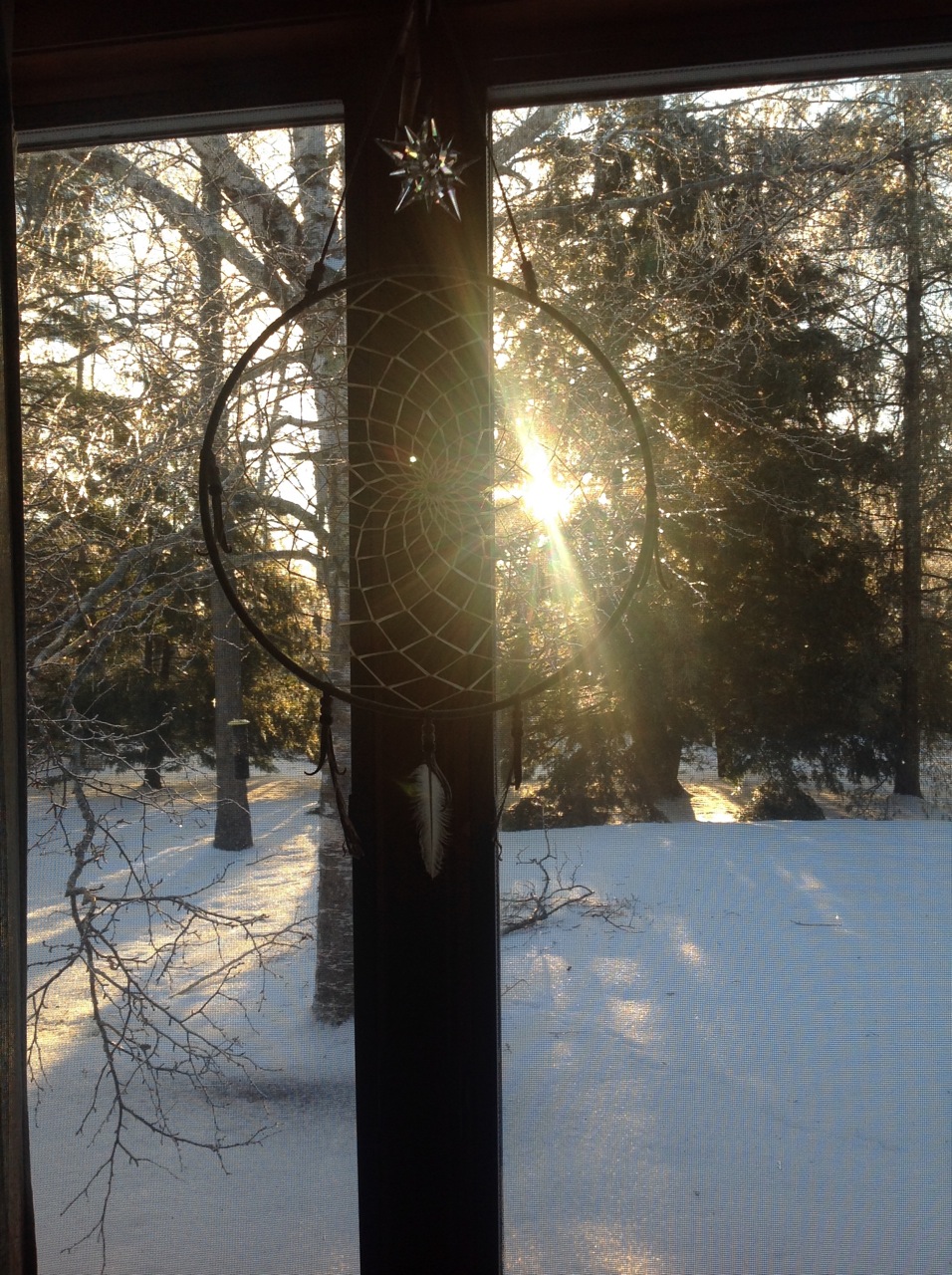
Window MJ IMG_0066If you had a temple in the secret spaces of your heart,
What would you worship there?
What would you bring to sacrifice?
What would be behind the curtain in the holy of holies?
Go there now.
                                        Tom Barrett

In ancient times, the temple was the center of the Jewish religion. It was the most beautiful building in all Judea. I wonder what it might be like to have one place in your country where people could journey to experience the mystery of God. It would have to be very beautiful and light, and full of music, or perhaps silence. The Jews had such a building. They believed that God was close to them in the temple. Only the priests could go deep inside to the very center room—they called it the holy of holies. But just being in the building gave people a sense of hope and wonder and mystery.

The poet Tom Barrett asks,

“If you had a temple in the secret spaces of your heart,
What would you worship there?”

Twentieth century theologian James Luther Adams said that every person worships something. The word “worship” comes from worth—to worship means to honor the thing that is worth the most to us. To what will we give our devotion, our loyalty, our sacrifices? Whatever we give our deepest allegiance to—that is what we worship, that is our God. Even if we think we do not believe in any God, we will give our allegiance to something.

What we worship, what our God is, has implications for how we live our lives, and what we value in all parts of our lives. Should our attitude toward reality be one of caution, or thankfulness? Obedience, or exploration? Aggression, or compassion? Who or what is revered by us? Warriors dying in battle, or mothers giving birth? Those who are tough and tenacious, or those who are thoughtful and kind? It is not enough to ask, do you believe in God? Rather, we must ask, what kind of God is worthy of our belief? James Luther Adams said it is important to choose something worthy of our allegiance.

Tom Barrett, “What’s In The Temple?” is from Keeping in Touch, 1993.
For more from James Luther Adams, see “A Faith for the Free,” in The Essential James Luther Adams, edited by George Kimmich Beach (Boston: Skinner House, 1998).