Feeding Each Other

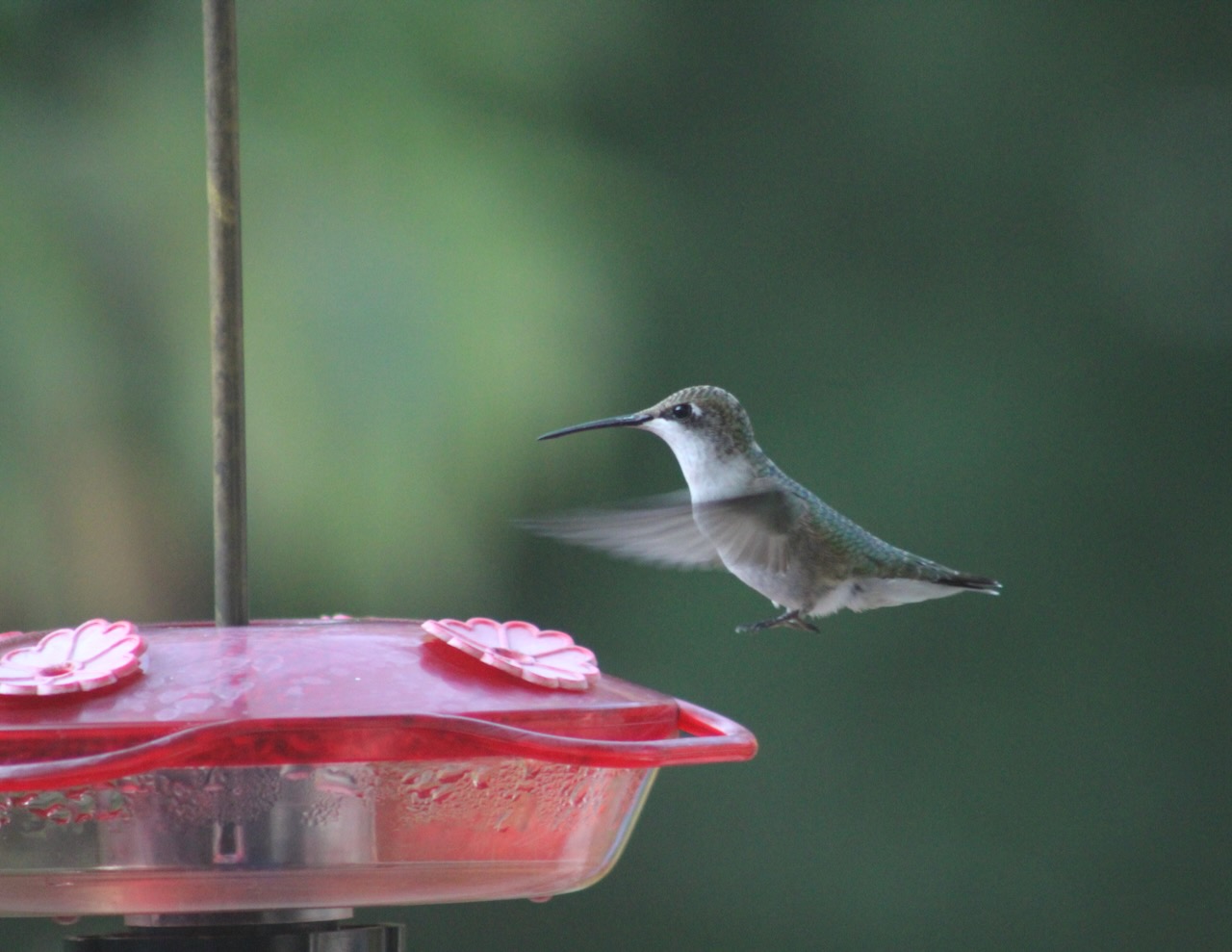
female hummingbird flying near red feeder

This summer, we’ve been blessed to feed hummingbirds in our yard, both through flowers like bee balm, and also through our little red hummingbird feeder that we fill with a sugar solution. Earth creatures feed each other. Everyone needs to eat. This happens through the incredible natural chain of life, some animals eating plants, other animals eating animals. But the deepest natural order is that all animals must eat. The interconnected circle of life. We participate in this circle, by what we eat, and by how we feed others.

Perhaps this is why forced starvation is such a horrific crime. To cut off a people from food is a crime against humanity, and also a crime against the natural order of life. I have been daily bearing witness to the forced starvation of people in Gaza by the Israeli government. There is food aid literally waiting at the border being denied entry. My heart is breaking every day. As the starvation goes on, it becomes impossible for people to heal from the damage it does to their bodies, even if they survive. Every day more people are dying and more people are reaching a point of no return. One action that is being organized is to pressure mainstream media to cover the fact that Israel is starving Gazans, which should be headline news everywhere in the world. You can find a template to flood media inboxes at https://writersagainstthewarongaza.com/action.

I also want to bear witness to the starvation happening in Sudan. I am not seeing so much about it in the news. When the current regime in Washington closed the doors on USAID, the situation there became dire. According to an article today in Closer to the Edge:

“The U.S. was once Sudan’s largest humanitarian donor. USAID funded almost half the international aid reaching the country. Then, with the flick of a legislative pen and the grinning cruelty of budget hawks who will never see a famine up close, that support was ripped away. Community kitchens—lifelines for displaced families—shut down. Nutrition programs vanished… The numbers are so obscene they should scream off the page: 25 million people acutely food insecure, over 770,000 children under five on track to suffer severe acute malnutrition this year, and nearly 100,000 cholera cases since last summer. ” 

We are all connected. I am remembering that the very first moral imperative according to the parables of Jesus, was simply this: “I was hungry and you fed me. I was thirsty and you gave me drink.”
Fighting with Squirrels (and Chipmunks)

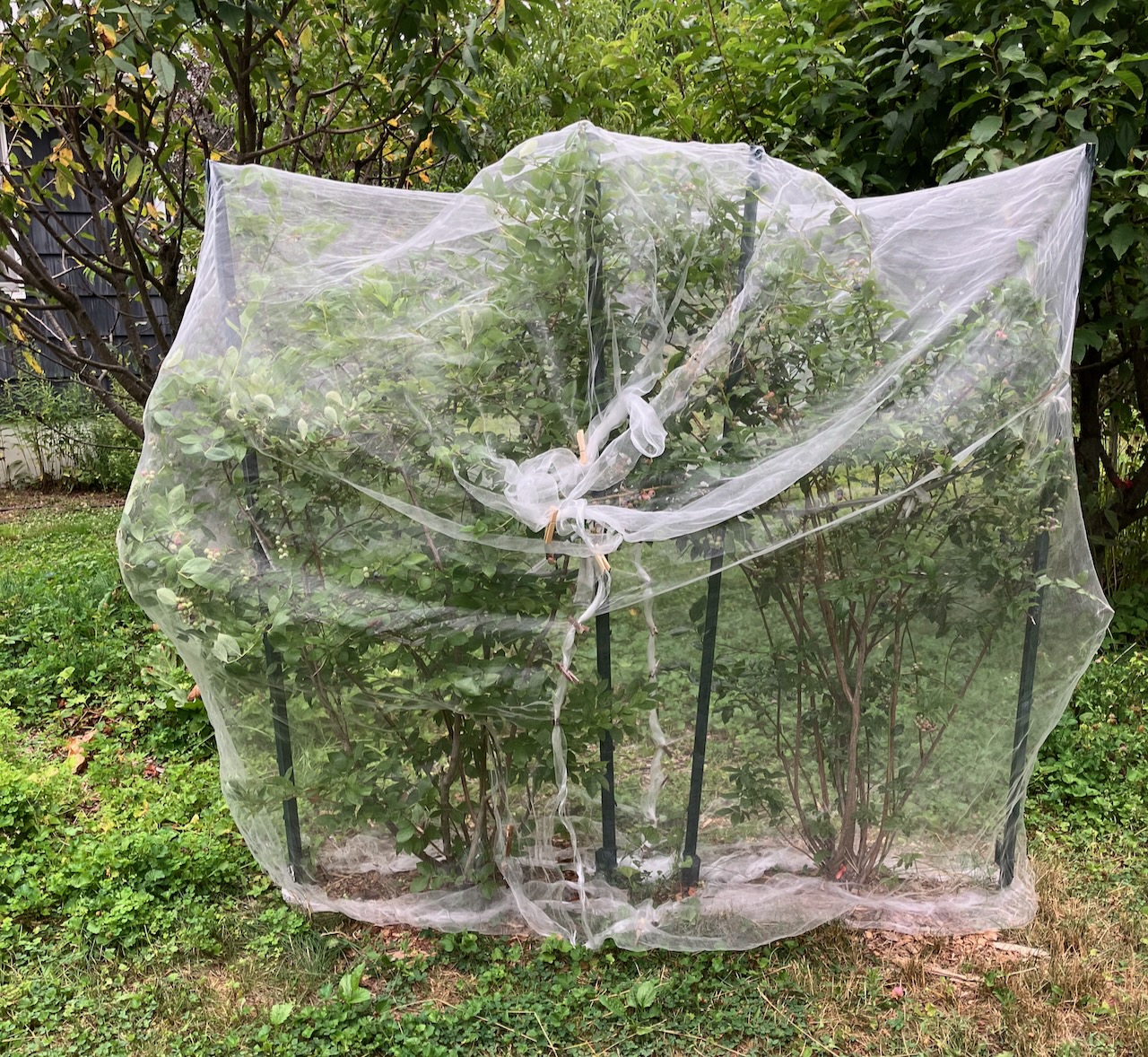
White netting draped over two blueberry bushes, using fence stakes

The intent of our permaculture gardening is to create a mutually beneficial relationship with the earth and all her creatures. But lately, it feels like a little backyard battle. The squirrels have literally eaten all of the green peaches off our peach tree. (Last year there seemed to be enough for all of us.) They have been also eating raspberries, hazelnuts (still green) and mulberries, but I sort of gave up on all of those. I have tried to protect these two blueberry bushes by covering them with netting, garden-stapled down, and using clothes pins to close the side opening. I have actually harvested some blueberries. But the last couple days, they’ve pushed their way through holes they make in the netting. When I see them, I run out yelling and clapping, and they dart around the edges to find their way out and run away.

To be fair, there is another variable this summer. I stopped filling the bird feeder some weeks back because the chipmunks would immediately climb up, fill their cheeks, climb down, and transport the seed to their underground lairs; and then repeat until all the seed was gone. The squirrels also took a fair amount. I wonder if the sunflower seeds were the tribute I had been paying to our little neighbors that ensured that they’d save us a few peaches? But yesterday, perhaps I upped the ante, because I installed a baffle on the feeder, and coated the pole with coconut oil. I really do want to feed the birds, not all the greedy chipmunks and squirrels. So here is the new set-up, (the bush is at least five feet away–I pruned it to make sure):

Green metal bird feeder with clear plastic baffle a few inches down, in front of a green bush background.

Margy and I have a little side bet going as to when they might be able to breach these new security measures. It has been up for twenty-four hours so far. No squirrels, chipmunks so far. But the birds haven’t come back yet either. The next few days will tell. And in case it isn’t easy to see, the original bird-feeder is also “squirrel-proof,” with a weight dependent bar that drops down to close the seed opening. But they figured that out long ago. They are so smart, and acrobatic. In many ways I love them. But I don’t love that they take all the fruit in our garden.

Anyway, I just needed to write about this other side of gardening. I am so impressed by the work farmers do! If we relied only on our own gardening skills, we would go hungry. But perhaps this is one of the lessons I am learning about how to be in a mutually beneficial relationship with the earth, and during climate warming too. We are all under a lot of stress, trying to survive. We don’t have complete systems in place, we don’t have our own ancestral knowledge, we are trying to recover from great imbalance. So we keep showing up, keep going outside, keep being grateful for the gifts of the earth.

And these days, I can’t write about anything food-related without also expressing rage at the intentional starvation of the Palestinians in Gaza by the state of Israel. They destroyed their farms and gardens, and destroyed access to water, and access to help from outside. How many more people will die before the world powers stop this genocide?

Food for Wildlife

Three goldfinches were perched on this volunteer sunflower!

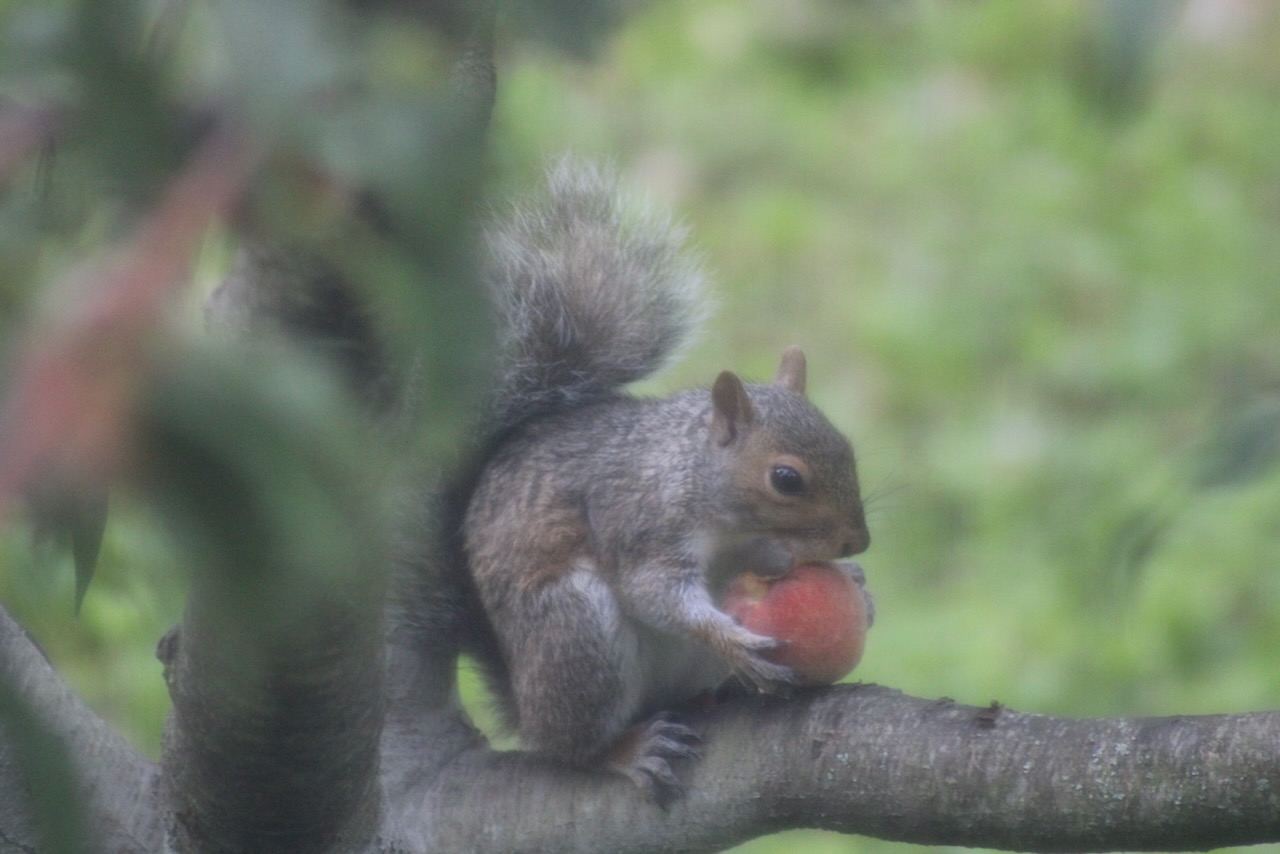
We haven’t been that successful in growing food for ourselves in the garden. (Yes, the experiment with the kale worked well. And we harvested blueberries and raspberries.) But right now the peaches are getting mold on them just as they ripen. Another fungal issue. I’ve started harvesting some that are not yet quite ripe, and just cutting them up to put in the freezer. But in the meantime, the squirrels and a groundhog are happily coming to the tree each morning to eat a peach. The squirrel climbs up the branches to pick her own, but the groundhog takes one that has dropped off.

The squirrels are always fairly bold, but the groundhog is shy and runs away as soon as she sees us on the back porch. So this photo was from a back window.

The more I try to garden, the more I realize what I don’t know. But it makes me happy that critters feel at home with us here. Unfortunately, the groundhog has dug a few holes to get under our garage–we don’t want her to feel that at home, such that she undermines the foundation. So I refill the holes any time I see them, and then pour some human urine on the area, hoping it will discourage her from more digging. Marking our territory, so to speak. We’ll see if that keeps working.

Meanwhile, the birds are relishing the volunteer sunflowers and evening primroses that are blooming and going to seed in lots of places. Also the elderberry bush. They seem to like everything about our yard. That makes me really happy.

First harvests

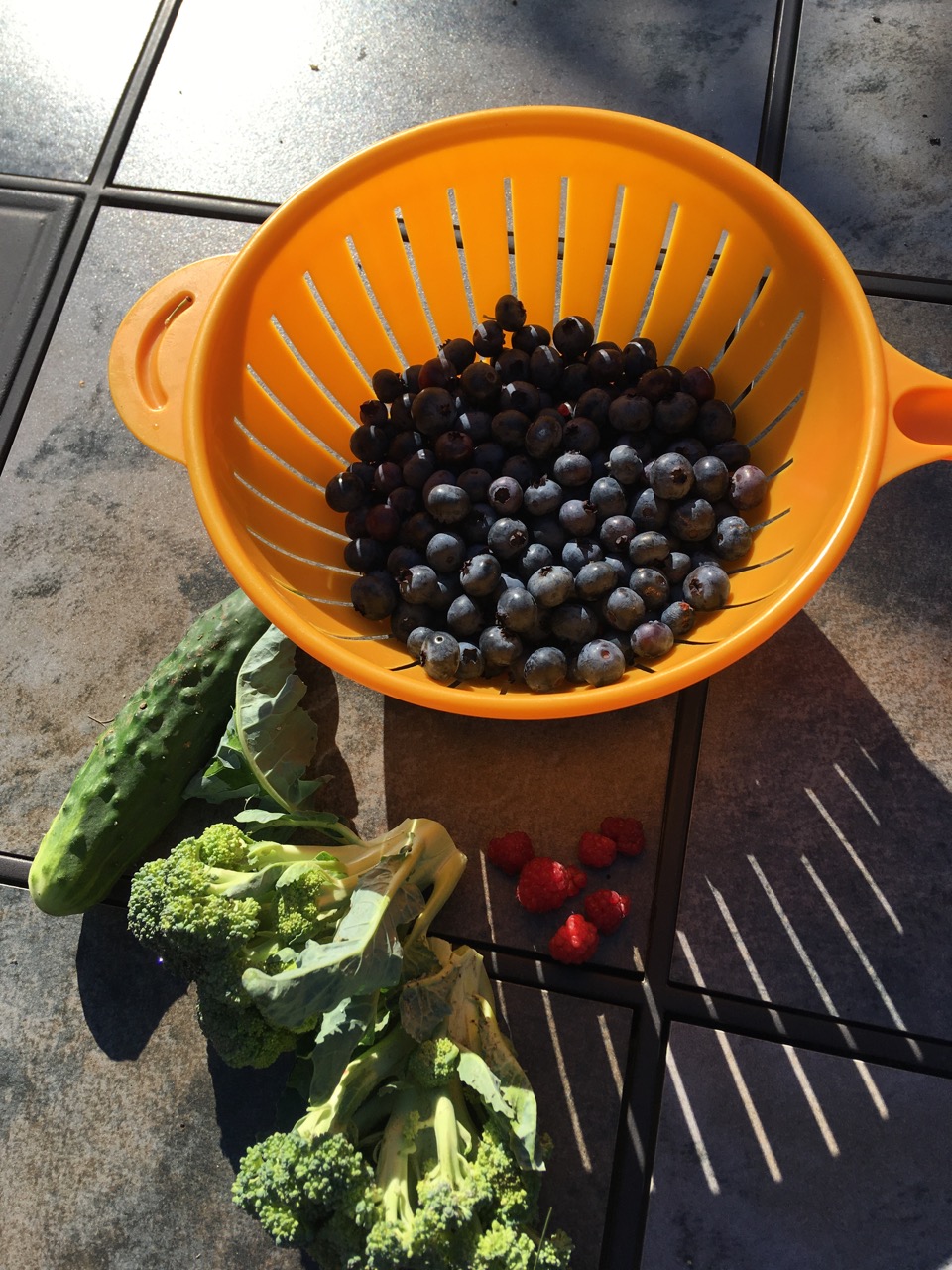
Orange slotted container with blueberries half full, and small cucumber, cut broccoli and a few raspberries.
Blueberries, cucumber & broccoli

In the excitement of the fledgling robins, I didn’t post about our Lammas harvest. The photo is of our fruit and veggie harvest of August 1st. It has been a great year for blueberries! We have also harvested some kale–there is more that wants to be cut today– some zucchini, some raspberries, and more cucumbers. Lammas is the first harvest festival of the season, and I am grateful and amazed that despite all our limitations, we actually receive food from this land.

We can’t control anything about this land. We can’t control what plants will thrive each season–no cherries or peaches this year, for example. But in partnership with the land, in our belonging to the land, these moments of yield emerge. So grateful!

Empty Buds

Branches against blurred green and brown background, with small leaves, and small empty buds opened.
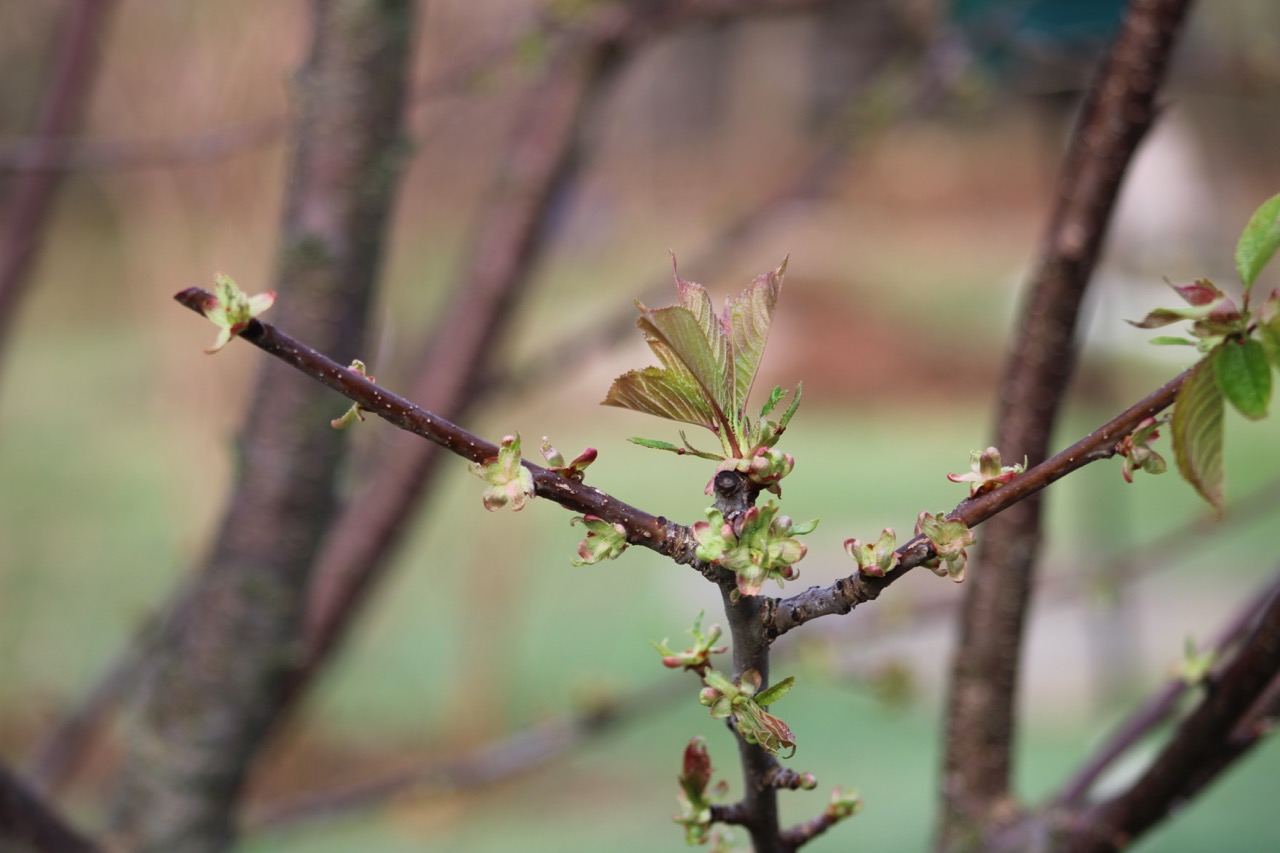
Cherry tree open buds are empty.

The cherry trees and peach tree have no blossoms on them at all. The cherry trees had the buds that should open into blossoms, but when they opened, they were empty. At first I worried that I’d done something wrong. But on connecting with other gardeners in Maine I learned that many people are facing this problem with all their stone fruits. Apparently, the most likely cause is the weird weather over the winter, with mild times alternating with a deep freeze. They didn’t stand a chance.

I feel sad about it–there were really so many buds on the cherry trees this year. In prior years we just had a very few blossoms, and I was hopeful that this year we’d see our first real fruiting. I also feel glad that the leaves are opening–I heard that some people’s trees actually died. I am glad ours are alive. But this is a lesson about climate change. Global warming increases the unpredictability of the weather, and the temperature swings are part of that. What food we can grow becomes more unpredictable.

We don’t rely on our little garden for our food–we are really just learners in this process. When we get a harvest, it is exciting–and thankfully, we still have peaches from last year’s abundance in our freezer. It looks like the blueberries and raspberries will be fine. I’ve already eaten sea kale and some asparagus. But I can feel the vulnerability of what it means to face a shifting climate, even in these small ways. How many larger ways are unfolding all over our planet? Severe heat and drought in many places, floods in other regions. For too many people actual starvation is real. I feel so powerless in the face of these huge problems.

When we first moved to this place, our hope was to form a deeper connection to the earth and all her creatures, through our connection to this small piece of land. I have to say it isn’t easy. We know so little, and we are surrounded by challenges larger than we are. For just one example, Margy spends hours pulling and cutting invasive plants around the borders of our land–Asian bittersweet, multiflora rose, Norway maples. The way it is with invasives, that job will never be over. Plants have their own personalities, and some are very aggressive even if they are native plants or desired plants, so there is the endless pulling and pruning to keep things in some sort of balance. (Oregano and wood anemone, I’m looking at you! Everywhere!)

But maybe these are the lessons we are learning about making a deeper connection to the earth. Plant by plant is the only way we get to know them. Whole Indigenous communities were needed to foster the balance of all beings, and we are just two old non-Indigenous humans. Some of our neighbors seem to be in a similar venture to ours, and others seem just the opposite.

Still, I have to hope that the love we offer to this place can be a small seed of healing, maybe even its own “aggressive” form of healing, spreading into the broken places. I draw hope from the birds who seem to multiply and who enjoy the yard so much. I draw hope from the violets blooming everywhere they want to bloom. I draw hope from the turkey who visited the other day and made a dust bath in the patchy lawn. There is something so wonderful about a community of creatures who share one place.

Turkey sitting on patchy grass.

Hugelkultur

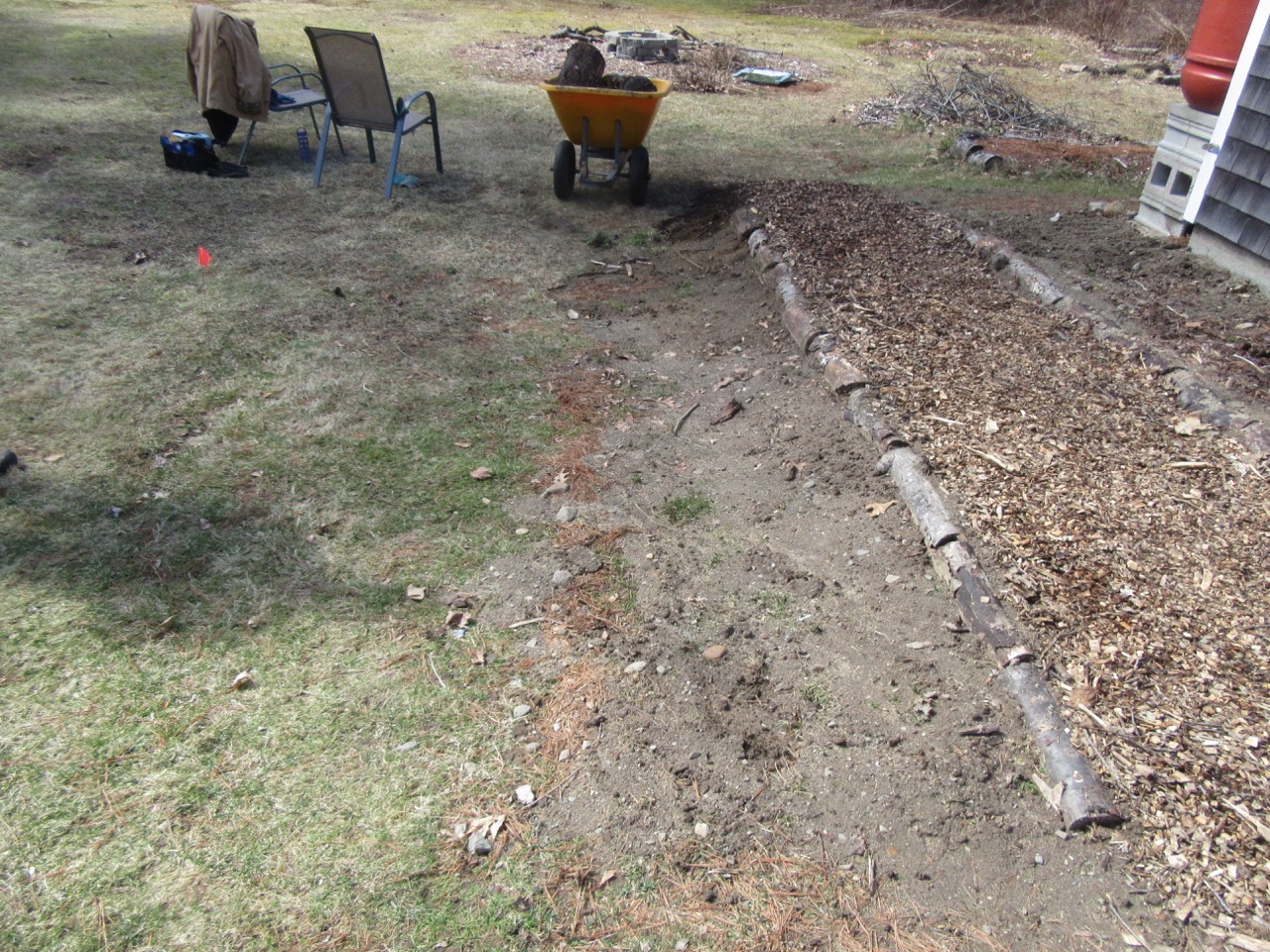
Today we started the process of building a hugelkultur garden bed.  Here is the “before” picture, though I had already created a path, next to the asparagus bed at the side of our garage. I lined the path with logs from the land, leveled it, and covered it with wood chips. Ever since I created the asparagus bed, that slope has been a bit of a mess, from all the dirt that I moved around to do asparagus plantings.

Before hugelkultur

Hugelkultur means hill culture, or hill garden, and is one of the tools in a permaculture tool kit that we had never used before. It is a kind of raised garden bed, with rotting logs at the base, brush, leaves, and other organic materials over that, and soil over the whole mound. The logs hold moisture, so that eventually you don’t need to water your plants as often, and they contain nutrients that are gradually released to the soil. They also extend your growing season because their slow decomposition warms the bed. It also serves as a use for old rotting wood and brush that otherwise might go to the dump, and it sequesters carbon in the soil. Some folks make them 6 feet high, but ours will be smaller than that.

With everything happening because of the COVID 19 pandemic, we felt it would be a good time to increase our capacity to grow more food. So far in our garden, we’ve focused on cultivating fruit trees and bushes, and herbs and other perennials. The only annuals I have grown are snap peas and kale, in amongst the trees. So this bed will be for annual vegetables, like carrots, lettuce, and zucchini.

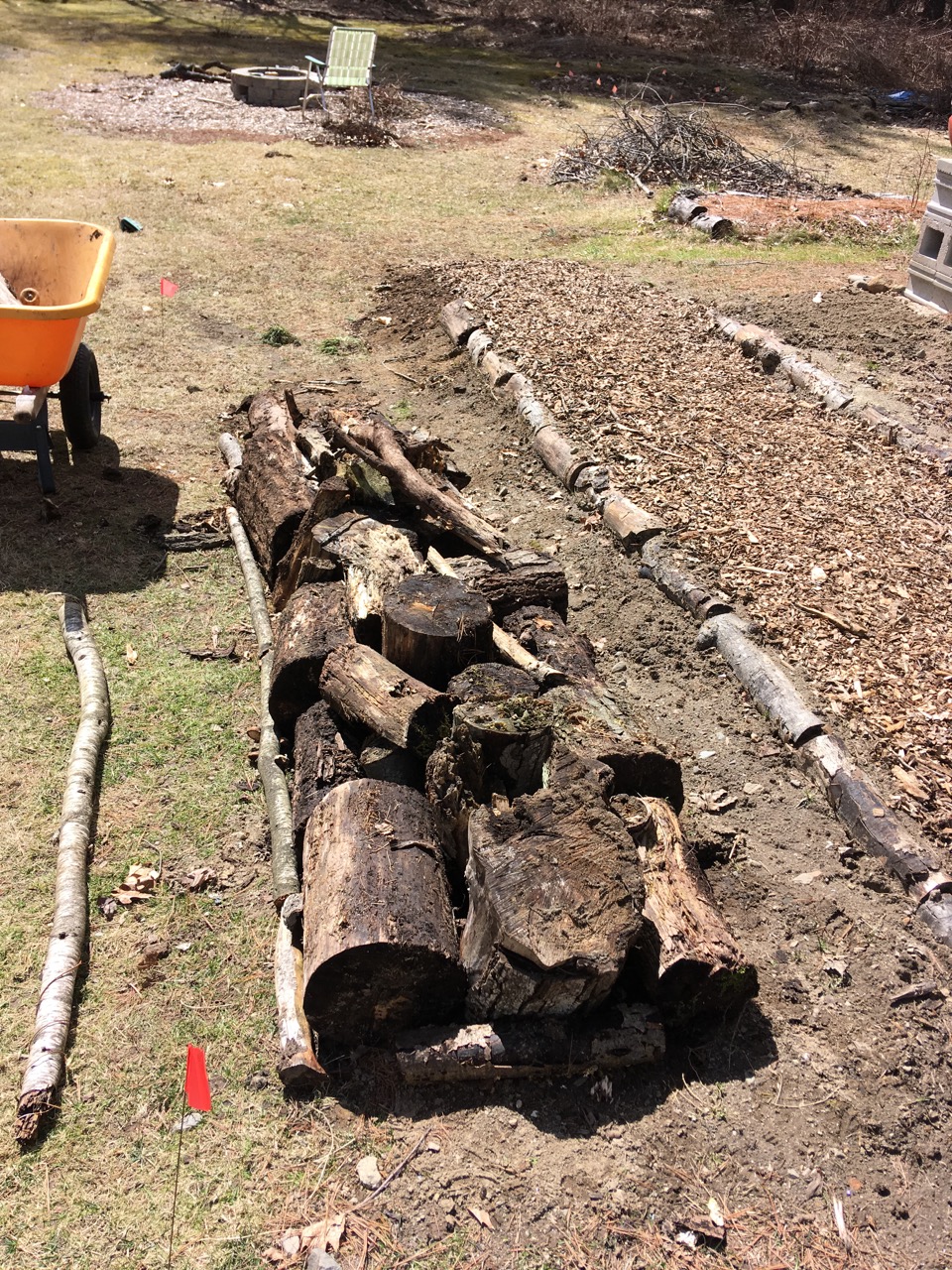
The first stage was to go around with a wheelbarrow and collect old logs that have accumulated on the edges of our land. Most of them were there when we arrived four years ago. I think this will be the hardest part. These logs were heavy! Margy and I both had to rest in between loads. But it has been a beautiful sunny day, so what could be better than to sit in our yard in the sun.Logs for hugelkultur

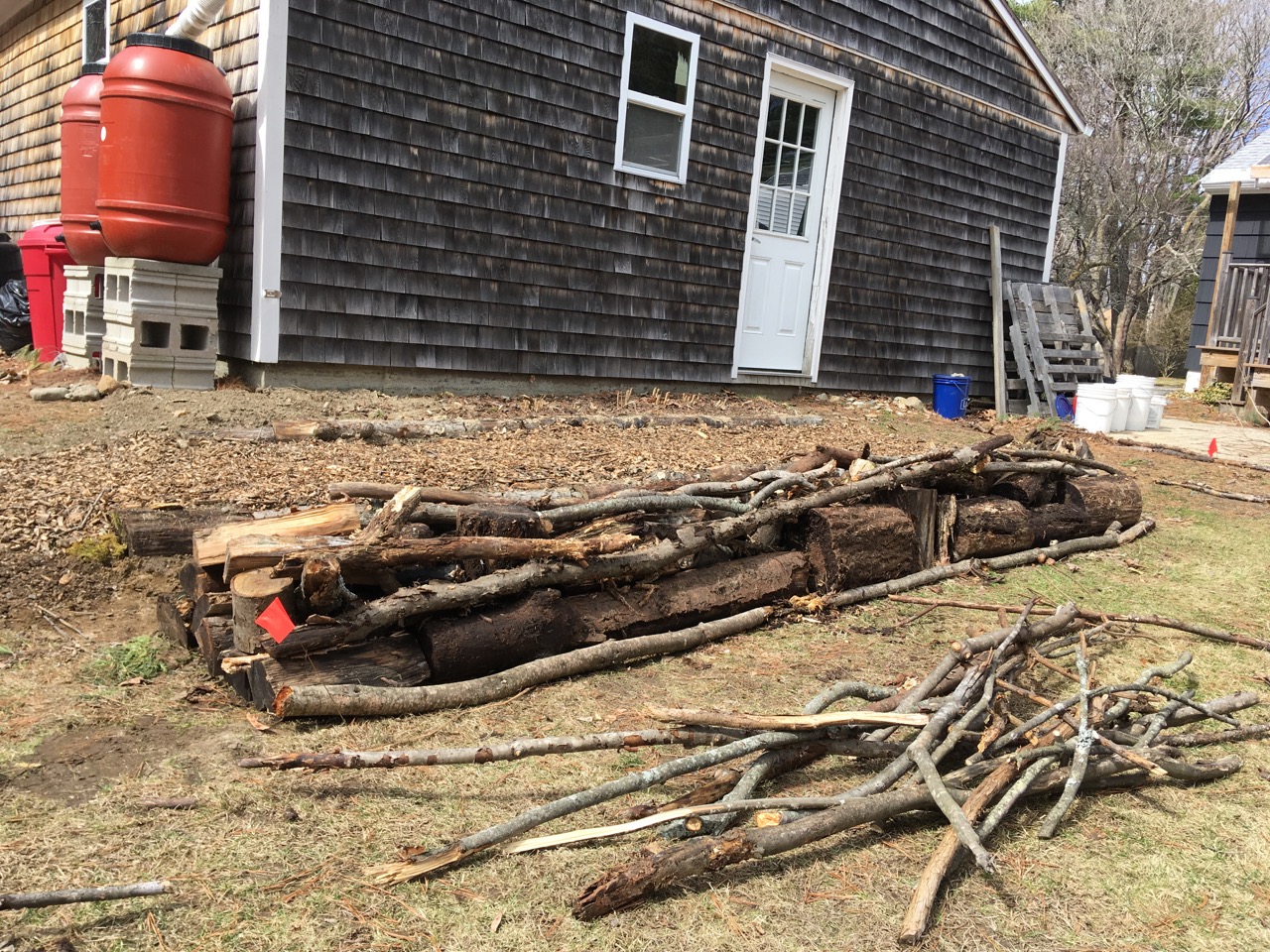
The next step is to arranged the logs every which way in the area that will be the bed. Some people might be more orderly than this, but it doesn’t really matter. It does matter what kinds of wood you use. Hardwoods are preferred, but not cedar, which doesn’t rot, or black walnut, black cherry, or black locust because of how they protect themselves in the soil. Pines have tannins, and might make the soil more acidic, plus they don’t last as long. We were also careful not to use any bittersweet cuttings, and to make sure no bittersweet roots had colonized the rotten logs. Margy spends half her time going around cutting back all of that.Logs layer hugelkultur

After the big logs were laid out, we filled in with smaller logs and long branches. And that was as far as we got today. I came in to have a cup of tea, and to write all about it. Tomorrow’s weather is supposed to stay nice so we’ll do the next steps then, and I’ll do an update.hugelkultur branches

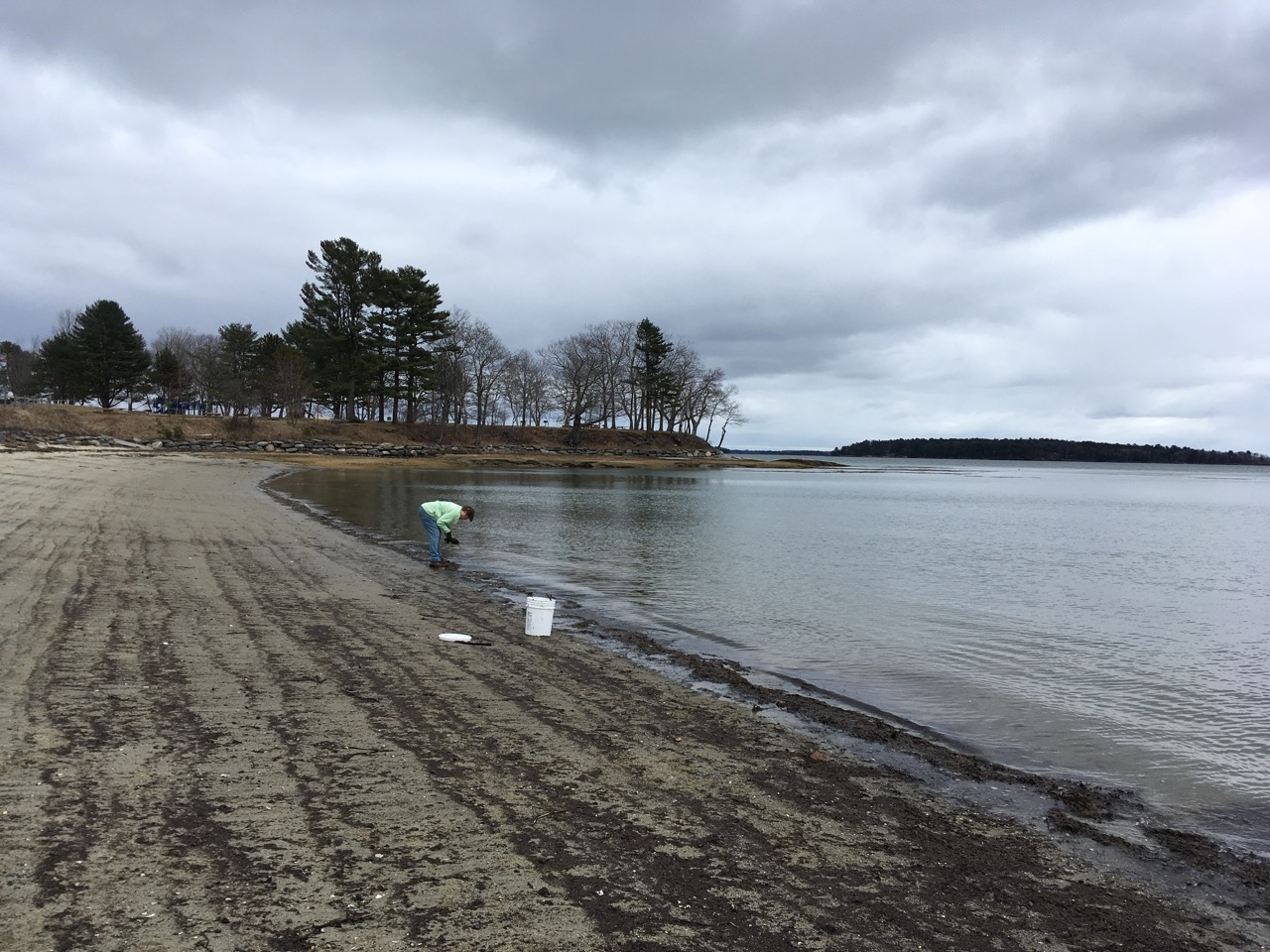
Oh, I should also mention that Wednesday Margy and I had a big outing–since we’ve been staying home for three weeks now.  We went out to Winslow Park beach, and gathered seaweed, and got to see the beautiful ocean. All that seaweed will go into the hugelkultur too. One of my favorite things about permaculture is that nothing is wasted–what we might think of as waste is passed along as food for another part of the cycle of life. So rotten logs, brush, dead seaweed, fallen leaves, cut grass, vegetable scraps–all of it goes back to help create fertile soil. That is something beautiful to perceive.

Gathering seaweed

Conflicting Survival Strategies in early Quebec

(More reflections on colonization in Quebec, jumping off from the book Helene’s World.)  Author Susan McNelley writes:

Summer days for the French settlers were long and filled with hard work. This was not the case for the indigenous people. Life was much less demanding in the summer. Fish, fowl, and small game were readily available in the river and nearby forest. The indigenous peoples along the St. Lawrence didn’t worry about storing food to last the winter. To the consternation of their French neighbors, the natives spent much of their time sleeping and socializing with their friends. There were games, story-telling, feasting and opportunities for young people to meet and court.  Summer was a time of replenishment and fortification for the rigors of winter.

A common factor for both Montagnais/Innu people and French settlers in early Quebec was surviving the long hard winter.  But they had quite different strategies for doing that. The French worked very hard in the summer to clear fields, and plant and harvest crops. Bread was their primary food. They were agricultural people, and in the early years were also reliant on ships arriving in summer with new supplies, to replenish their stores of wine and oil and spices and grains. They preserved food and stored it for surviving the long winter. Winter included much less activity, so in some ways it was an easier time, but they were on their own, and their strategy for survival was to carefully ration what food they had among the people in their families.

For the Montagnais, on the other hand, summer was the easy time–they camped by the river, fished & hunted, gathered fruits and nuts, feasted and celebrated with each other, and generally felt a sense of abundance in all sorts of food. As the fall came, they caught and dried eel, and then they left the summer encampment and began to hunt small game in the nearby woods. In winter, they traveled in small family groups into the interior, where they relied on heavy snow cover to slow down the big game: moose, caribou, deer, and bear. When they were successful in the hunt, they shared their feast with nearby families.

hiver_transports_11

Susan McNelley describes a winter incident recounted by Champlain when some of the Montagnais/Innu came to the early French settlement, because they were starving, and asked for food.

Although the French did try to be generous, they rationed the distribution of provisions to the aborigines out of necessity. Otherwise, the food would not have lasted a month.

The French believed that the Innu were irresponsible because they didn’t store food, and because when they acquired food in the hunt, they ate all of it, or shared with their neighbors.  But if you are traveling to follow big game, it wouldn’t be practical to carry large quantities of preserved food.  It would be practical to share the abundance that came sporadically depending on who had a good hunt.  Reading between the lines of this incident, I could imagine the Innu noticing that the French had food while they had none, and expecting, according to their own values, that of course the French would be willing to share with them. Their strategy for survival was sharing what became available, as it became available. The French strategy was about storing up and rationing.

And isn’t that just like capitalism, really, and how our modern mainstream society works.  “Save what you don’t need now, to use later. Try to accumulate as much as possible. That is the definition of wealth.”  (But perhaps rampant consumerism and planned obsolescence have superseded that model too.  Some things to think about.)

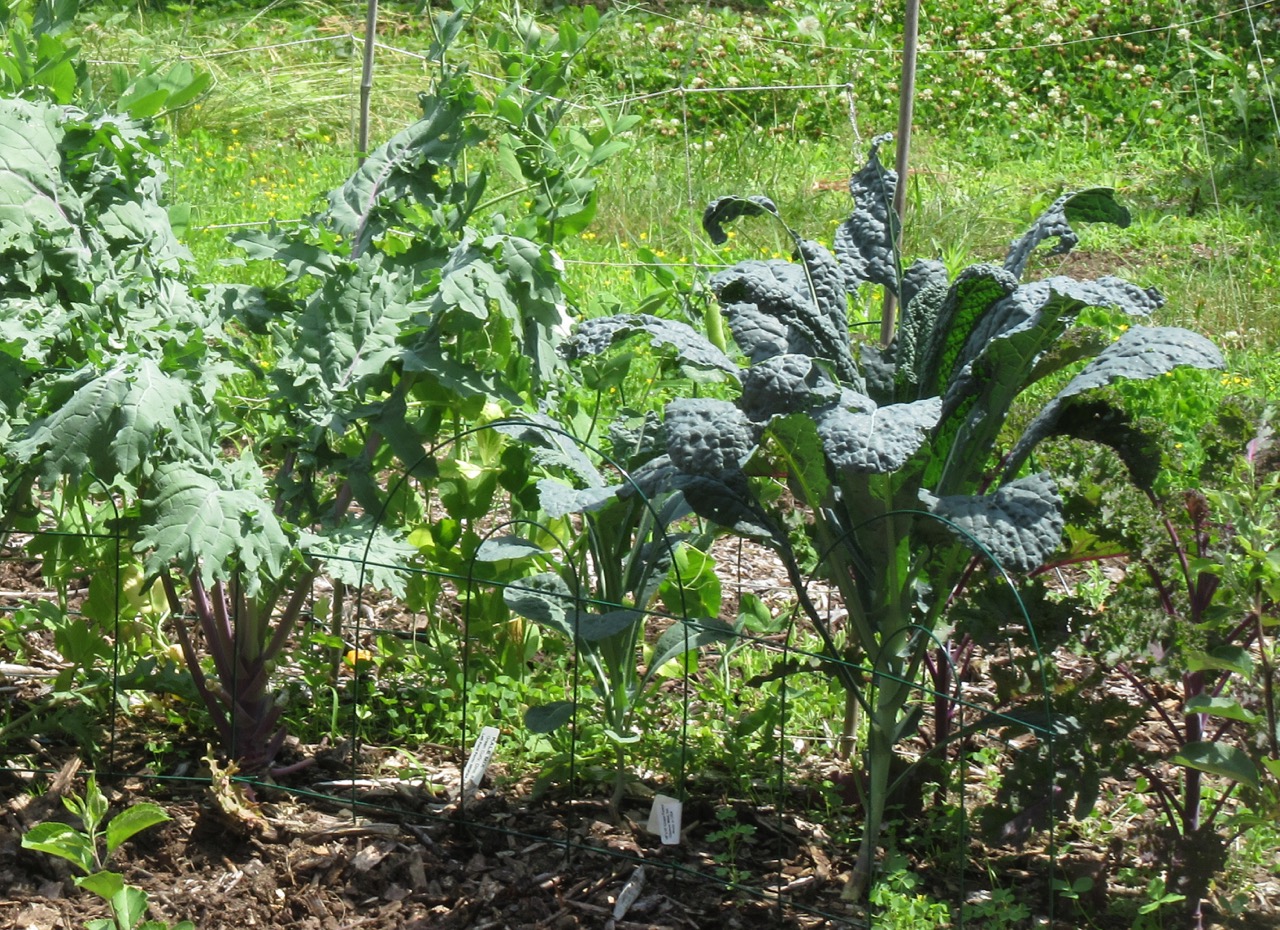
I feel the pressure of this time of year to preserve what we can from our garden, small as it is–making pesto from basil and chives and parsley, freezing kale, drying herbs–in our own way getting ready for the long Maine winters. We certainly wouldn’t know how to survive on our own, without being able to go to the Food Coop or grocery store. So perhaps both the French settlers and the Innu had better survival skills than we have now.Kale


Oak Leaves

In the spring, I learned that acorns of the white oak were less bitter–and were more widely used for food–than those of the red oak.  At that time, I was walking through thousands of acorns in our neighborhood, and thinking how great it would be to use them for food.  I also walked through thousands of dried-up oak leaves, but never saw any white oaks.  You can tell the difference because the leaves of the red oak are pointy and the leaves of the white oak have rounded lobes.

This fall, there were barely any acorns. Oaks do that.  They choose certain years (mast years) to collaboratively put on a full production of acorns, and others years, not so much. This may be a rough winter for the squirrels, who grew their families large on last year’s bounty.  But imagine my surprise when I saw these leaves on the pavement during my morning walk.  You might have to look closely. White Oak and Red Oak Leaves

Amidst the pointy ones are some small round-lobed leaves.  The tree is about two blocks from my house, a smaller oak right next to a big red oak, standing in someone’s front yard. I am going to guess that it might be a white oak. I look forward to the next mast year for acorns, to see if I can distinguish them from each other, and maybe try making acorn flour.

Meanwhile, this was a beautiful autumn for oak trees. Usually, it seems, the oak leaves hang on the tree and go from green to brown without much fanfare.  But two weeks ago, they were a translucent gold to rival the maples. Today, we had our first snow storm, but the snow is spotted with oak leaves everywhere, pulled from their branches by the wind to land on top of the snow.Oak Leaf Gold

Abundance

Myke with kale

[Photo by Margy Dowzer]

The kale has gone crazy this year! I eat some every day, and we’ve given a lot away, but it is still up to my waist in abundance. Not to mention the basil plants, also a few feet tall. Harvesting has always felt like the most challenging part of gardening–how to keep up with everything the earth is producing. I see posts of friends who are canning and drying and freezing–that is all still something I need to learn more about.  I search online for instructions, so information is not the main issue–just the time and energy to keep up with it and carry it out.

Most of our garden this year isn’t even to that stage yet–the fruit trees and bushes are still babies, the asparagus is in its first year.  And perennial herbs will keep coming back each year, whether I harvest them now or not.  In fact, I’ve got thyme drying in the basement, and will probably do some oregano after that is done.  I finally dug up the garlic that I had planted as companions to the fruit trees to help keep away pests.  But I especially feel a responsibility to the annuals like kale and basil.  This is it for them. And they are shining.

Last week, I experimented: I sautéed a dozen large leaves of kale, which cooked down quite a bit, and then I froze it–it only filled a small part of a plastic freezer bag.  I should be doing that with whole bunches of it, but it takes time to wash and cut and sauté and cool and bag.  We’ve been eating basil this week–especially yummy with an heirloom tomato we bought from the coop.  I learned not to put it in the refrigerator, but to keep cut stems in a vase with water.

For now, I just want to say thank you to the earth for creating such abundance!  Give me the strength to receive and cherish and preserve your gifts.  I’d better get outside and harvest some more!

Celebrating Grains (as someone who doesn’t eat grains)

Today is the celebration of Lammas, the Grain Festival–or how I often have thought of it here in North America–the Corn Festival.  This is the time when local corn on the cob is finally ready!  In its European origins, “corn” meant wheat, and it was a celebration of the wheat harvest, complete with Lammas breads eaten during the rituals.  But lately, I have been following a mostly grain-free eating plan–no wheat, no gluten, and no corn.  So how might I celebrate Lammas?

I am planning to go outside for a fire this evening.  We had our first fire in our fire circle on the new moon on July 23rd.  (the photo is from that fire)  A fire always feels like an invocation of the sacred.  Perhaps it would work also to celebrate with nuts and fruits, which are like grain in that they are the seeds of the plant.  They are freely gifted by the plants to human beings.  All cultivated plants co-evolved with human communities.  So perhaps tonight I will celebrate that partnership between human beings and plants!

First Fire